Bolivia: Copacabana, La Paz, Rurrenabaque, Sucre, Uyuni (Week 20-22)
Bolivia has been my quickest stop from the South American countries I’ve visited so far. As so, this blog post will be short and sweet.
Copacabana
After crossing the border from Peru to Bolivia, I went to Copacabana, a small town nestled right at the edge of Lake Titicaca for a day. The lake is considered to be the highest lake in the world at 3,800 meters high and territorially, the lake is split between both Peru and Bolivia. Sarah and I went to Isla de la Luna and Isla del Sol, two islands found within the lake, but chose not to explore them the way they deserved to be. We had just arrived from a long and tiring overnight bus where we crossed the border the night before, and frankly, we both didn’t have the energy to do anything that day. The lake itself is so grand in scale and beautiful. Just from staring at its size it had a huge resemblance to the ocean. Still, I know much appreciation was left missing on my part during my day visit. The video below pretty much summed up my day in Lake Titicaca.
La Paz
La Paz was a bustling city filled with tons of people, vendors, streets and smog. It’s the highest “capital” in the world at more than 3,500 meters above sea level. The two things I was looking forward to the most in La Paz were going to a cholita wrestling match and eating a salteña. A cholita wrestling match is essentially lucha libre done by Bolivian women dressed in their traditional clothing. The wrestling match I attended was held in a community basketball court with a small audience of tourists and locals gathered to watch the action. It was so shocking to see the level of how physical the wrestling actually got. Legitly, it’s what I remember WWF (now WWE) to be back when I was a kid, fake and entertaining. There was a point where I questioned if one of the cholitas actually got hurt because she slipped off the ropes and was holding onto her neck the remainder of her time on the ring. At one point, she even rolled herself off the ring to the ground and rolled herself under the ring as she continued massaging her neck. Nonetheless, the women were impressive with their strength and toughness.
Rurrenabaque
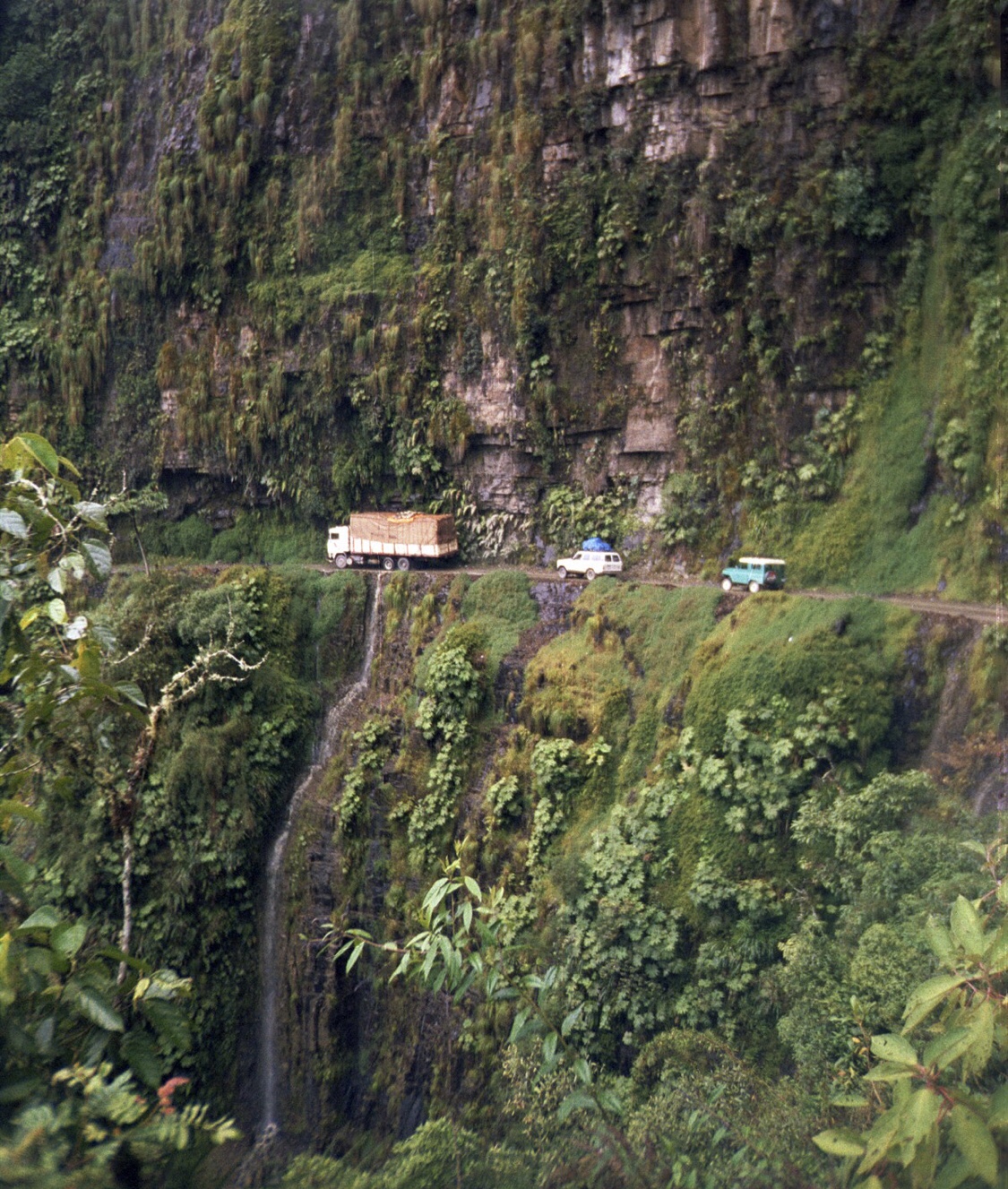
Rurrenabaque is a small town located in the outskirts of the Bolivian jungle. I took a flight from La Paz to Rurrenabaque with Sarah since we were both terrified of taking the infamous Death Road bus ride that would’ve taken almost a whole day to arrive. It’s called Death Road for a reason as many vehicles have fallen over mountain cliffs trying to make there way through extremely narrow roads with passing cars. There have been travelers who have told me mixed reviews about the road. Some saying it wasn’t as bad as it sounds and some saying they were so terrified they began praying. There’s a Google image below of this insanity.
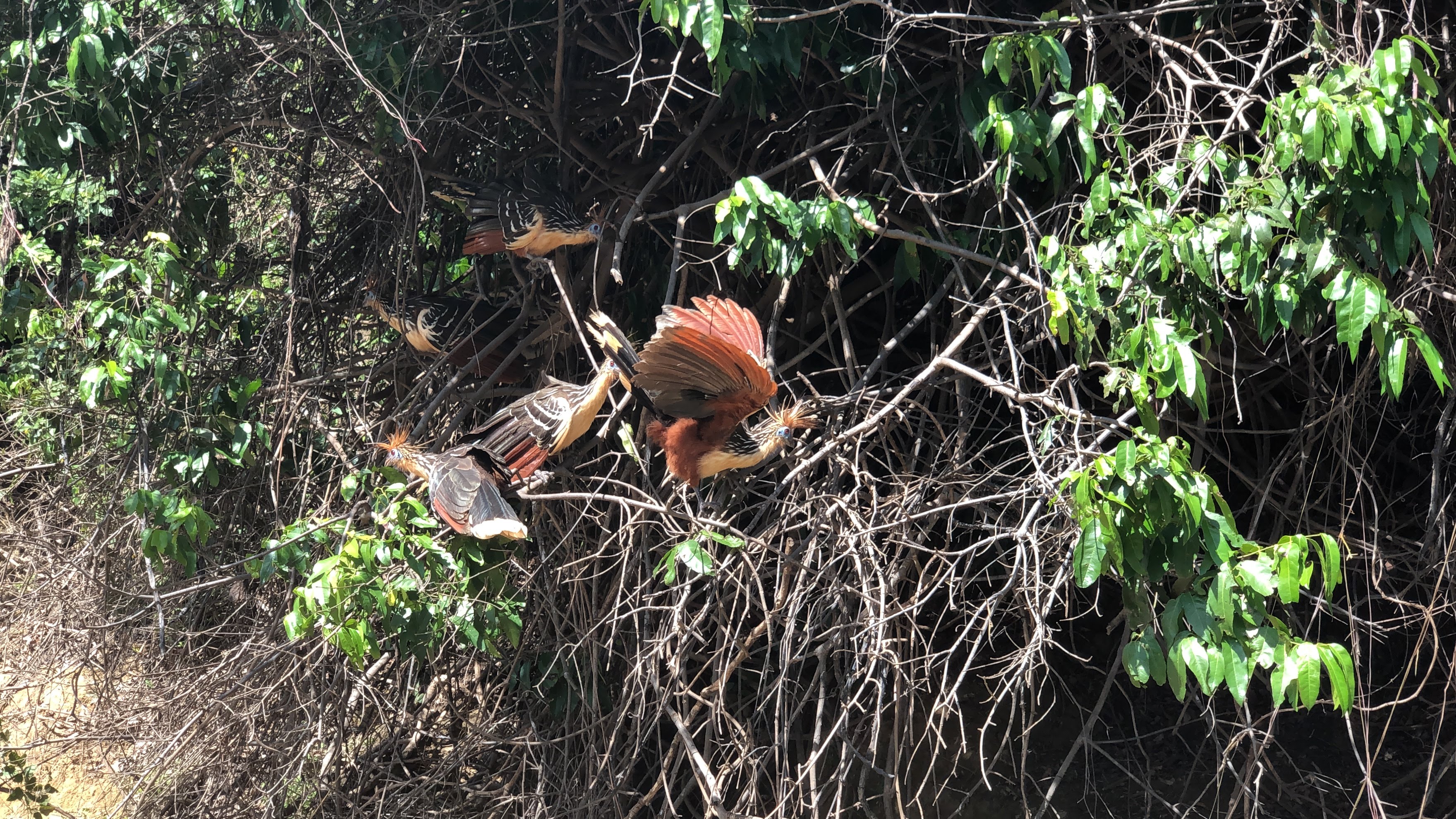
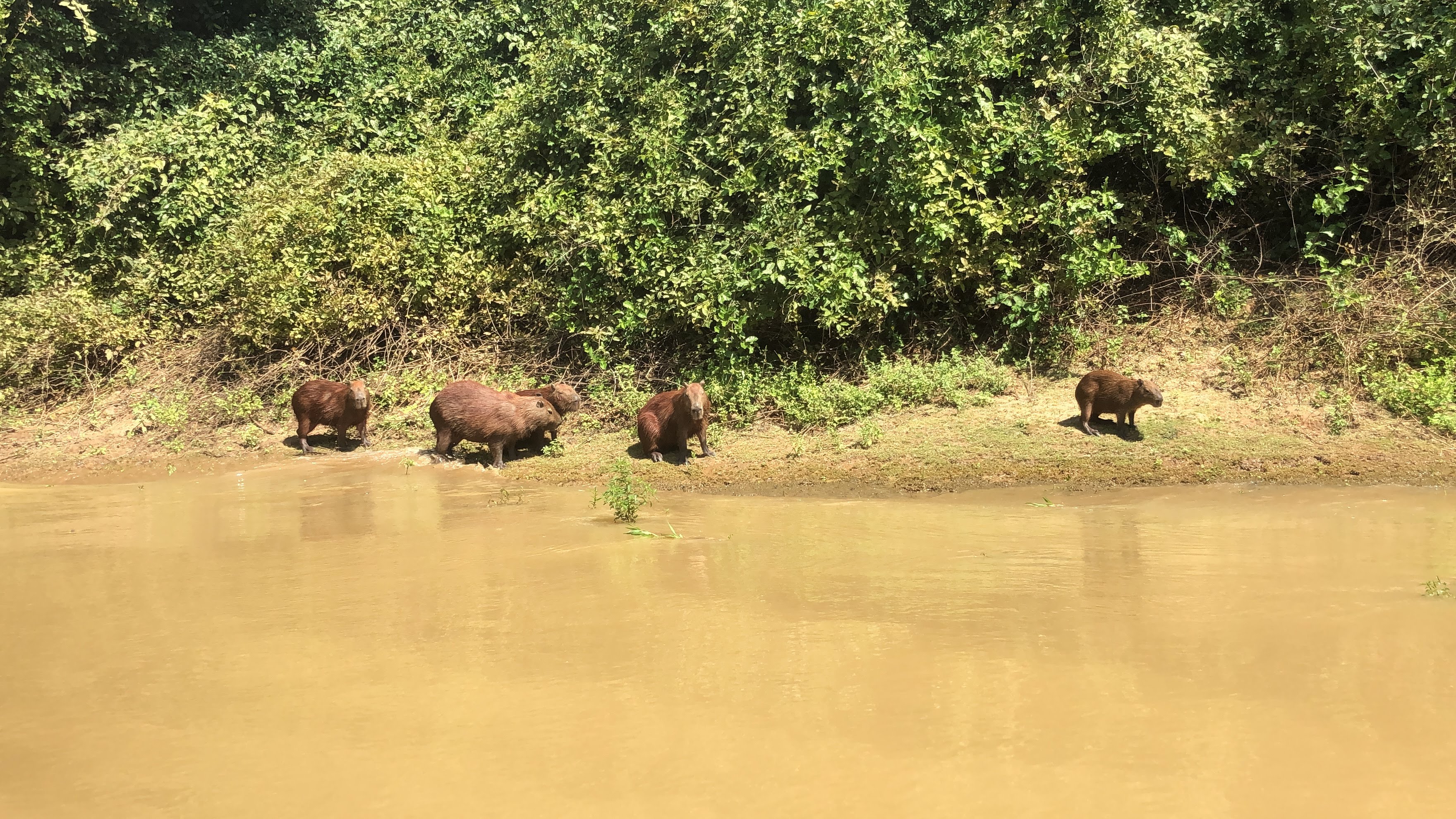
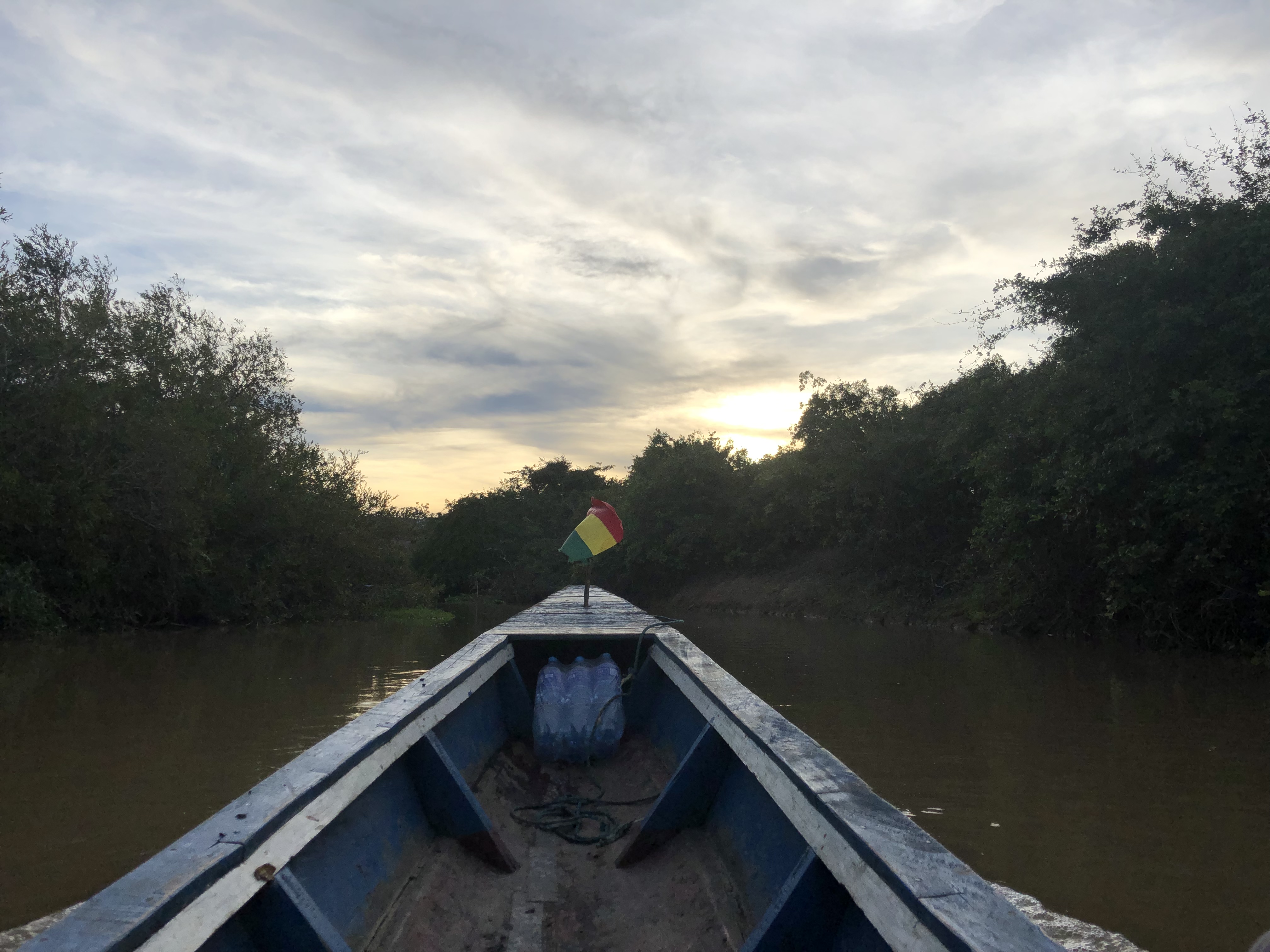
We both arrived in Rurrenabaque to take a three-day tour of the pampas, the wetlands of the Amazon basin which are an alternative to visiting the Amazon jungle. We got a chance to see various animals such as monkeys, caimans, capybaras, different species of birds, piranhas and a pretty lengthy sized snake (I forgot the exact type.) We also saw pink river dolphins believed to only be found within South America’s Amazonian region. It was really neat getting to see the pink hue on their back. I was immensely shocked and still continue to be perplexed with how we were able to walk alongside caimans during one of our days there. On the day we went out searching for anacondas in the muddy grassy areas, our guide told us to get off the boat just a few feet away from where multiple caimans were laying down. The next day, some people went out swimming in the river where pink river dolphins and caimans were. I’m not sure if caimans get a bad rep for being aggressive and dangerous or if we just happened to be lucky with not getting attacked. However, that was quite an experience, that I don’t care much for repeating. The pampas constantly reminded me of the swamps surrounding New Orleans because of the animals, the humidity, and heat. Yet, still many differences were present one major one being that in the pampas we were primarily in a river whereas in New Orleans one is cruisin’ down the bayou (and not getting too close to alligators.)
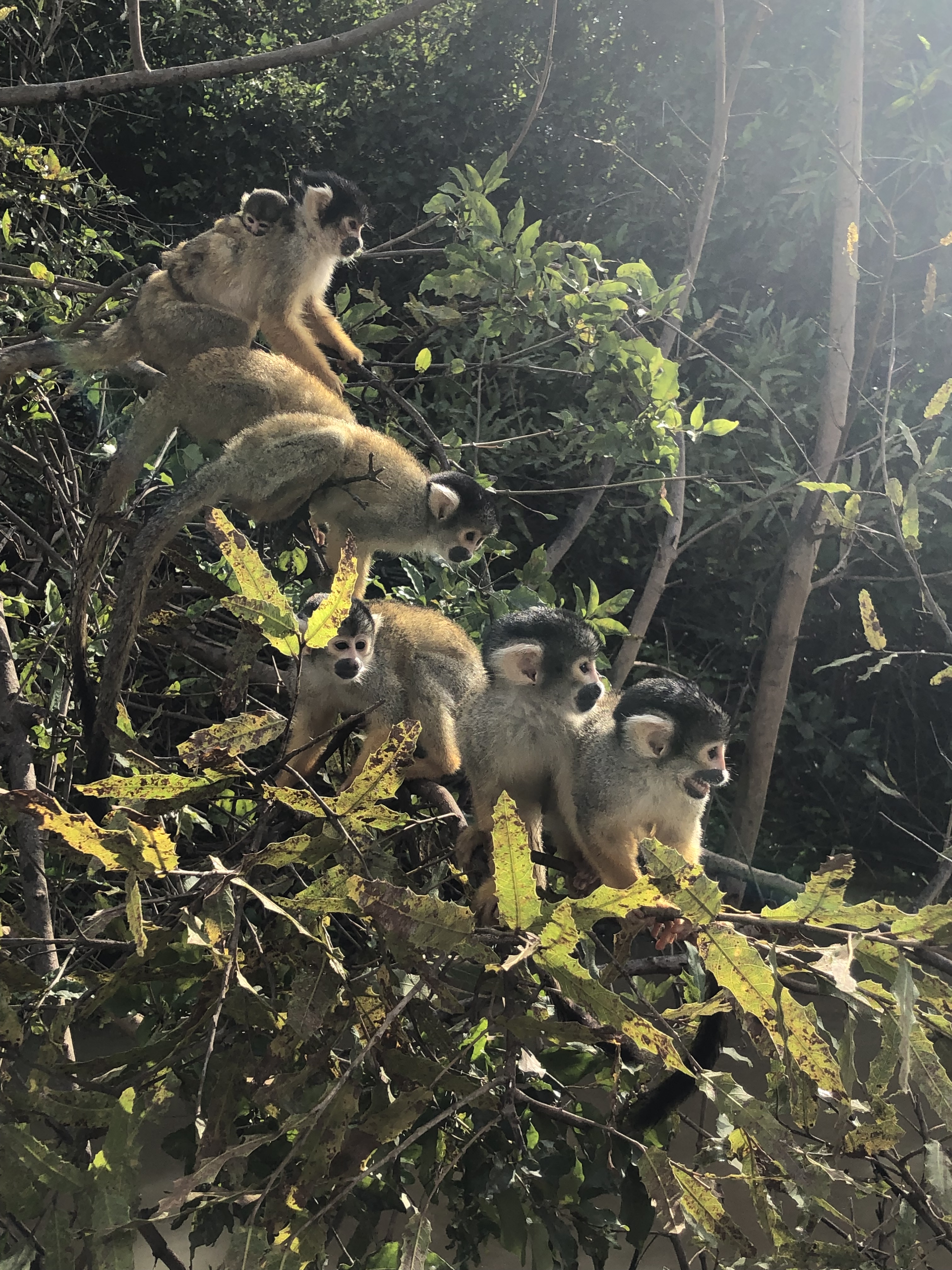
These are some animals we got to see in the pampas. We also got a chance to see some pink river dolphins and piranhas.
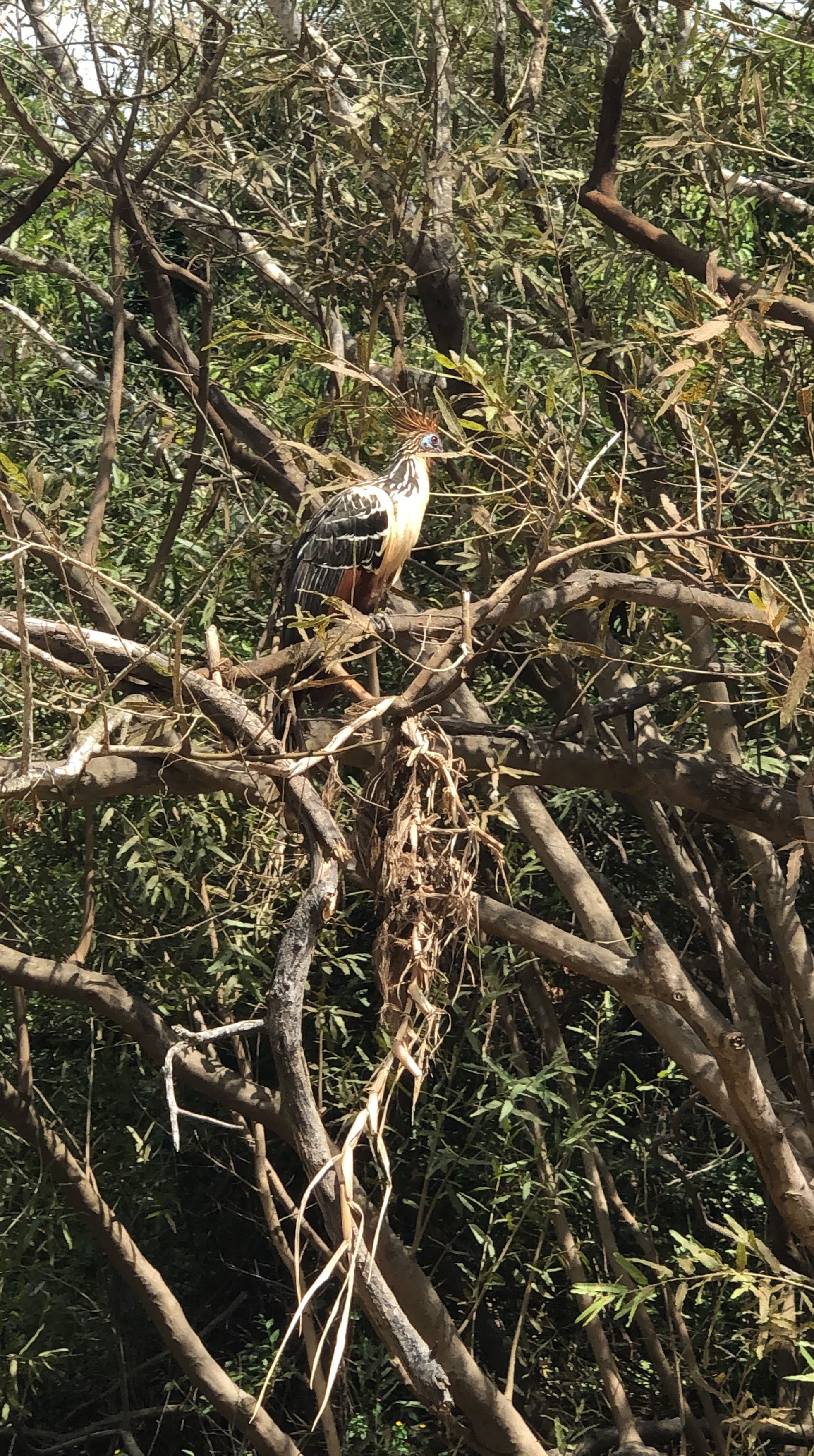
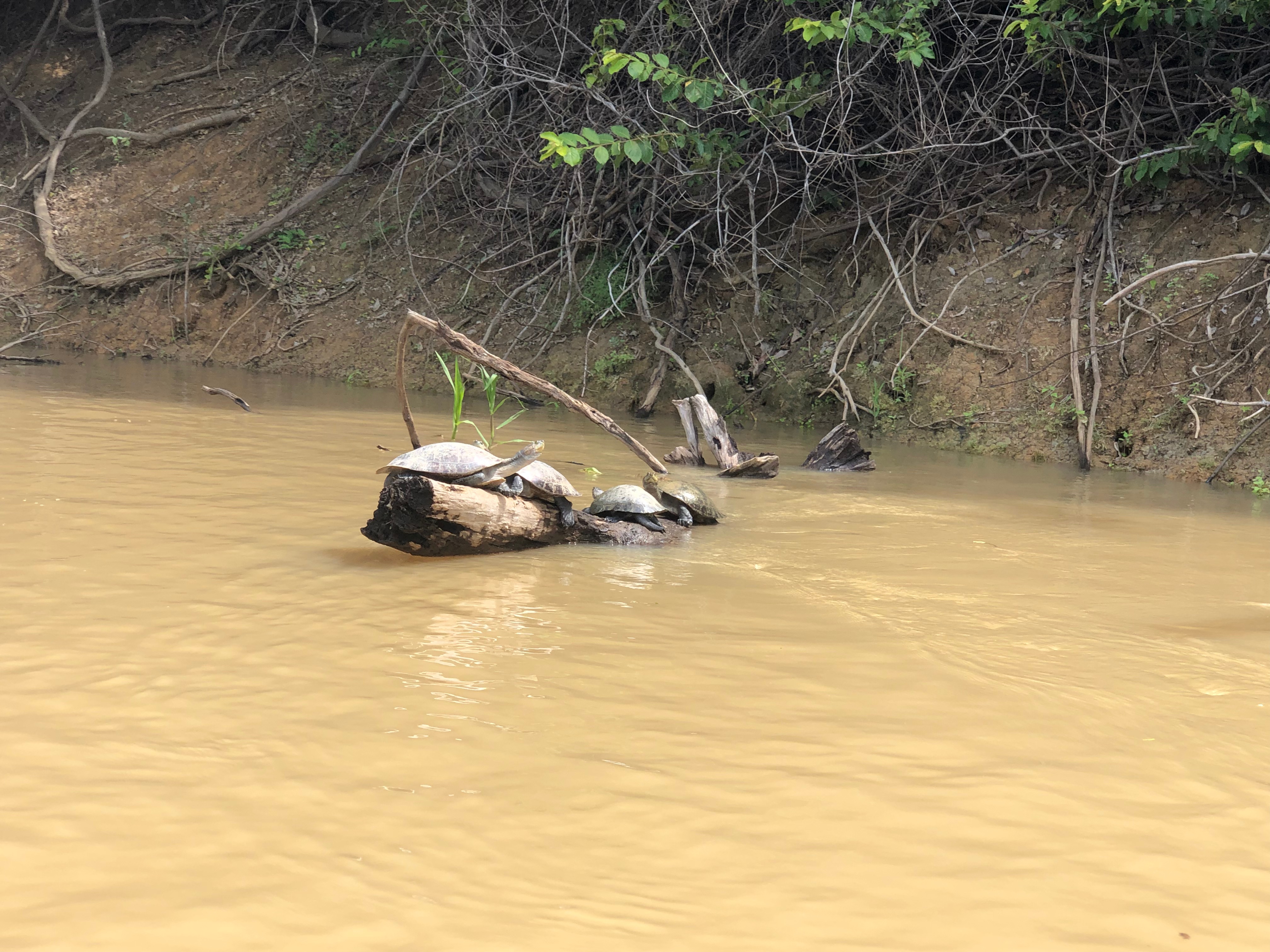
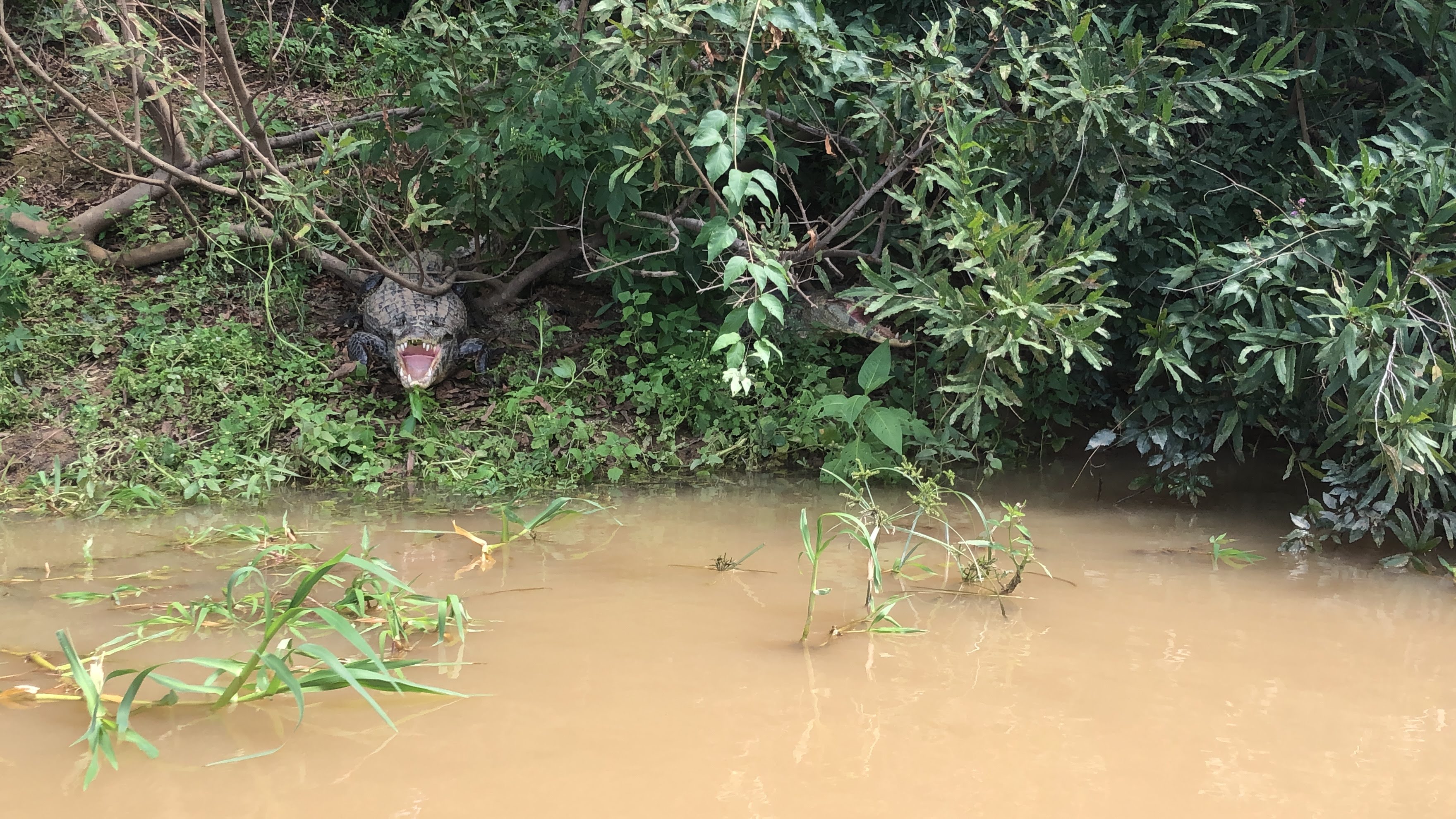
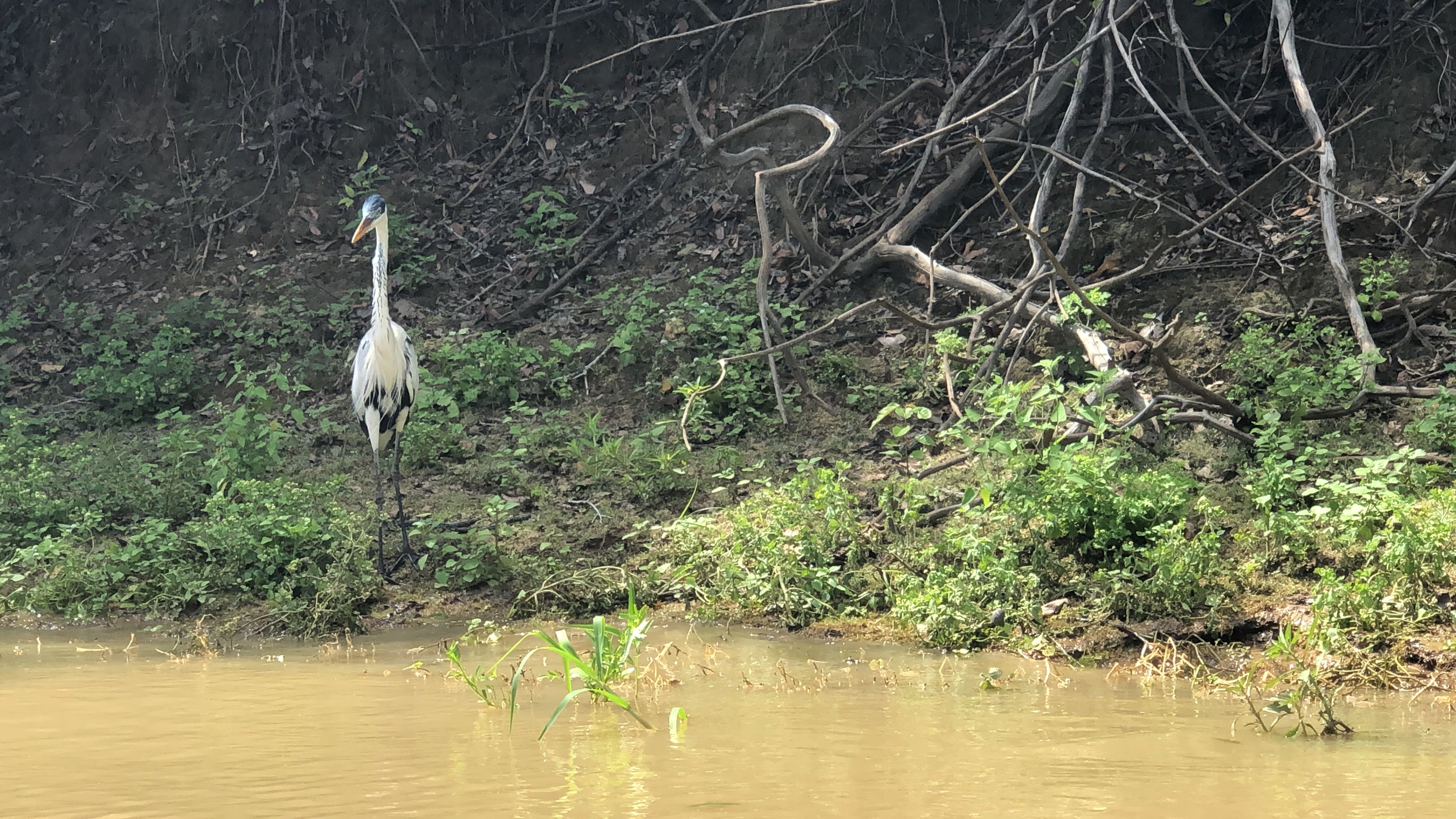
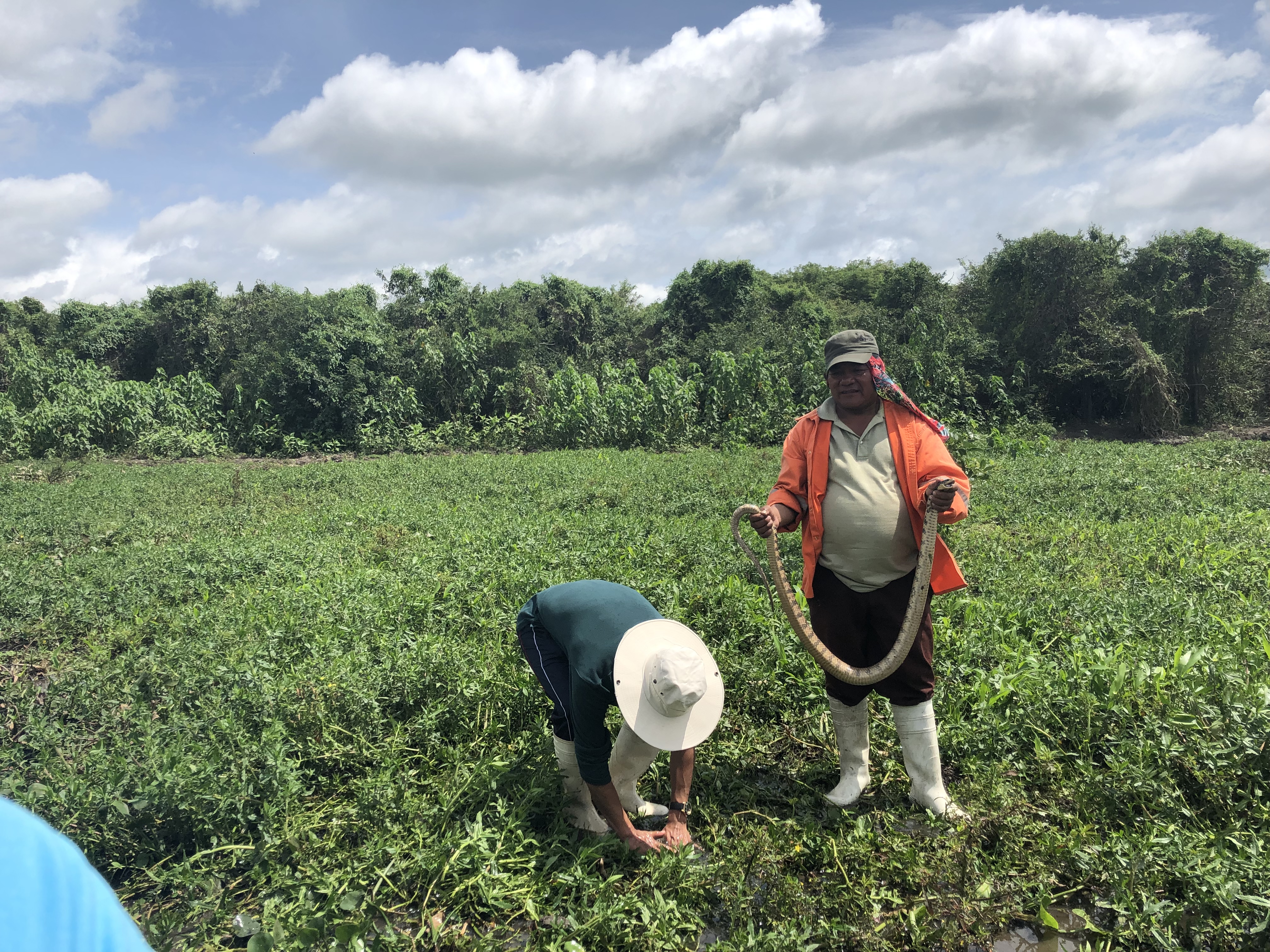
The last night in the pampas was one with the loudest and longest thunderstorms I’ve ever experienced. Our small cabin’s ceiling began leaking through in several places while we slept and I was so scared of the ceiling having many more leaks throughout the night, or potentially it falling through from the heavy rain. Being in the pampas also reminded me of how much I detest mosquitoes.
Sucre
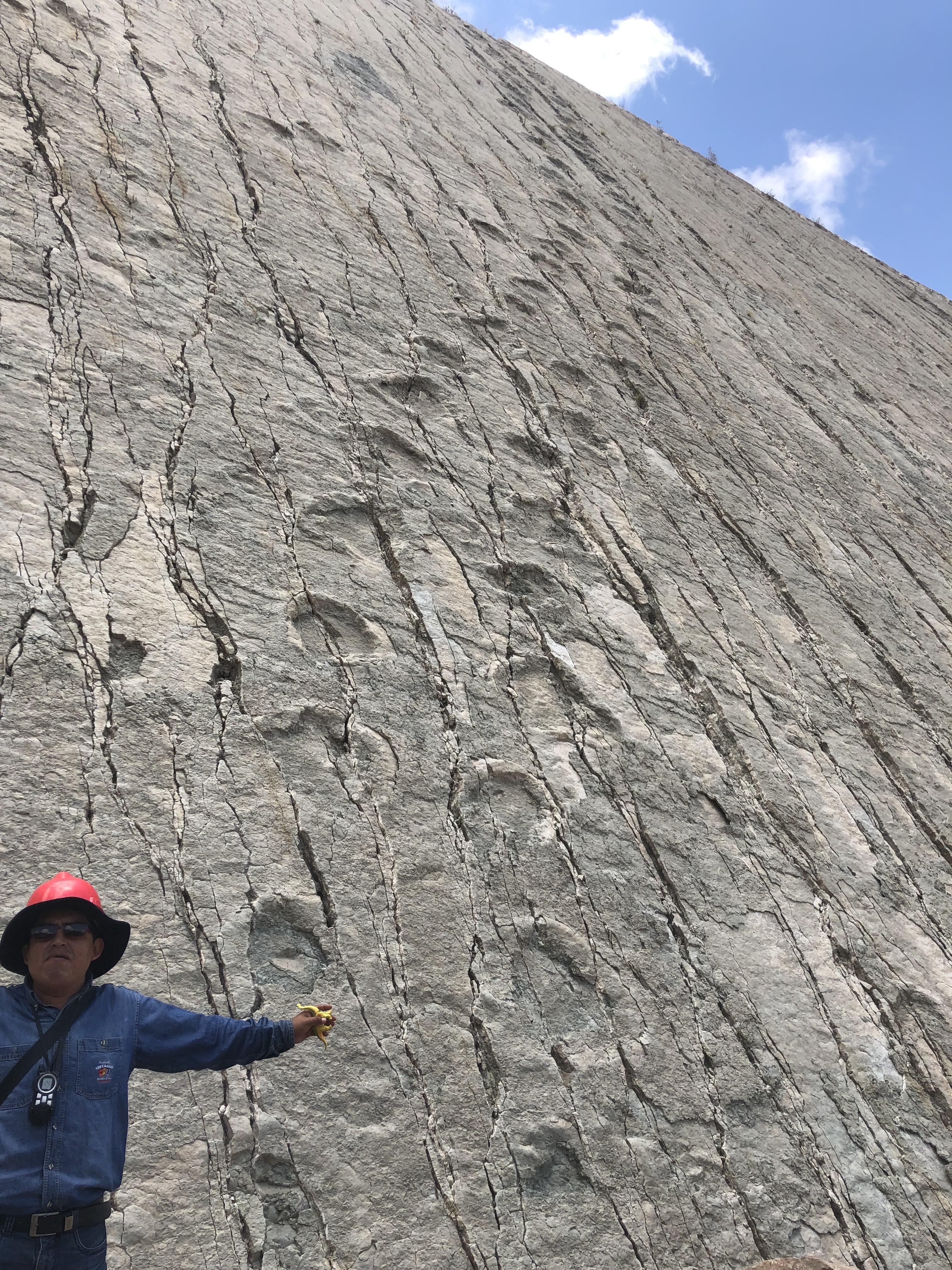
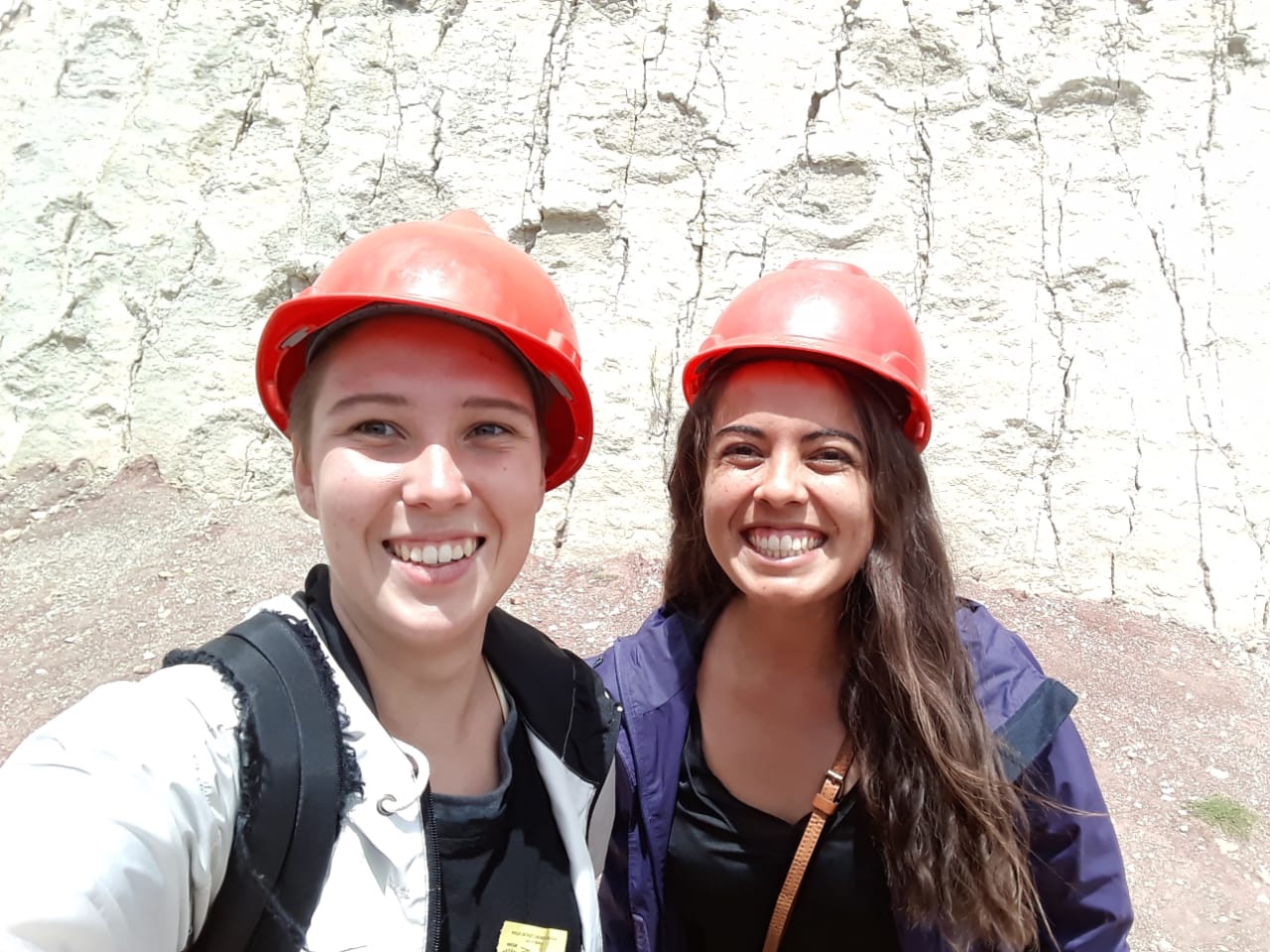
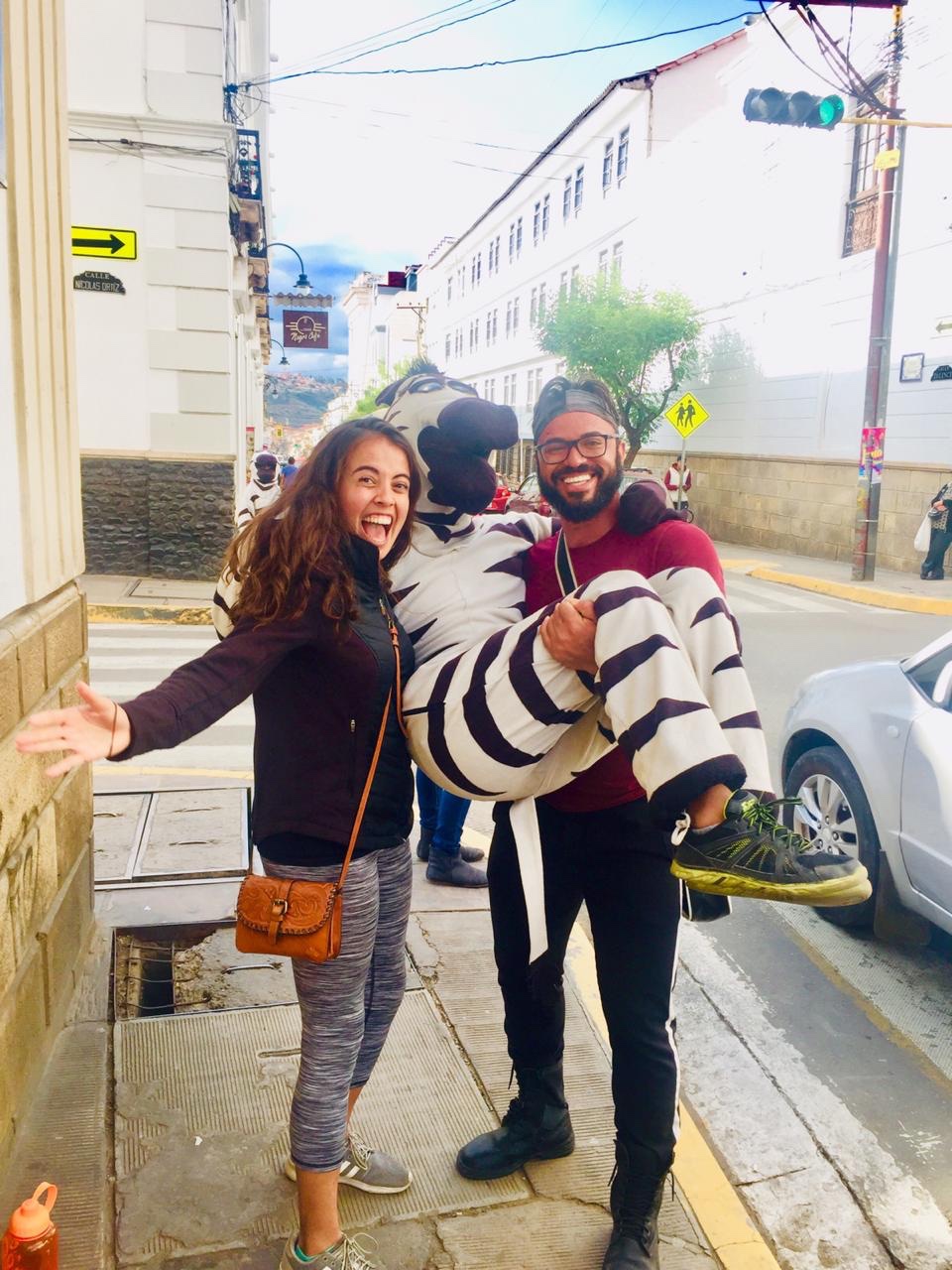
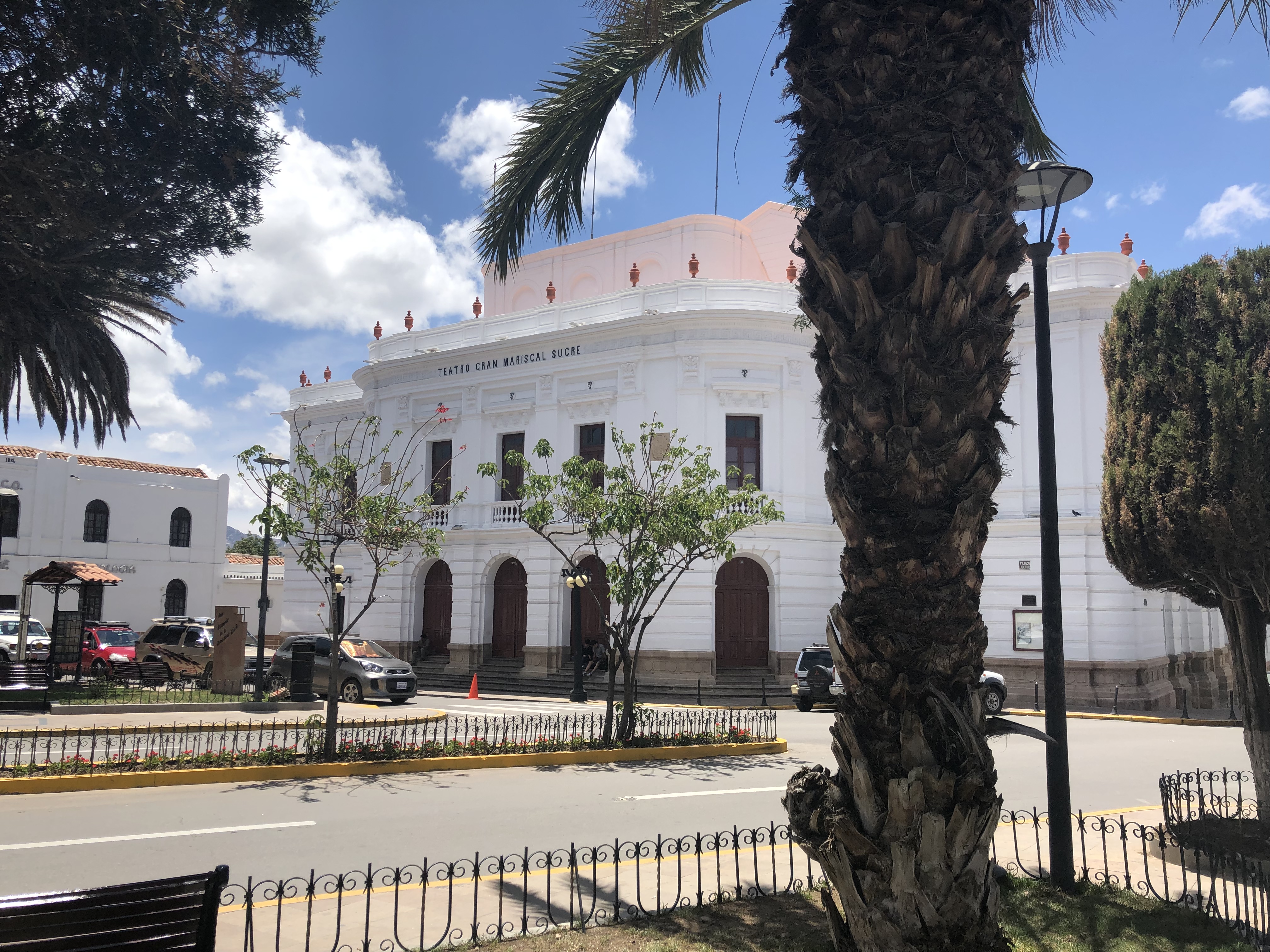
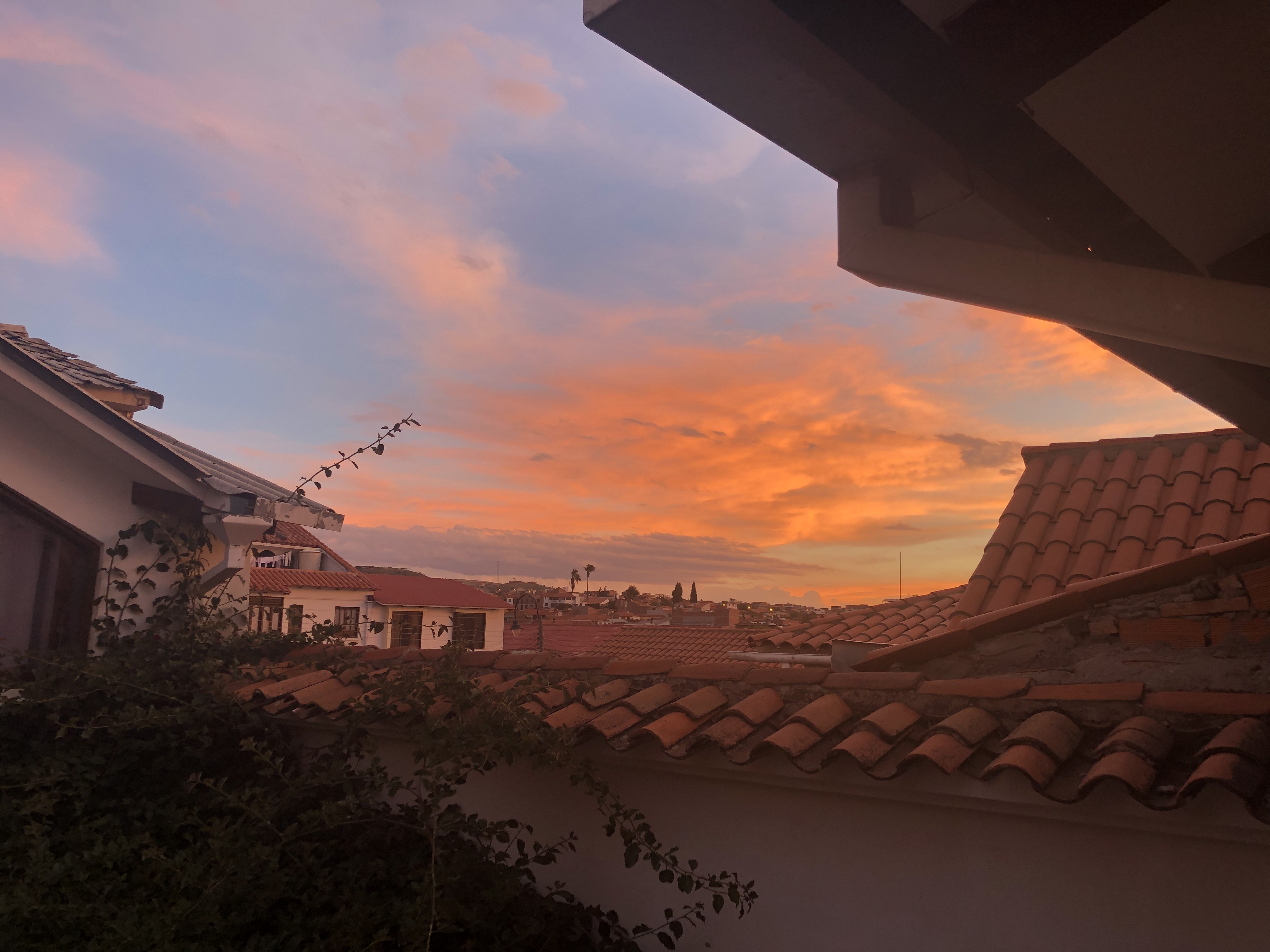
Sucre has been my favorite capital city from those I’ve visited in South America. The city is so calm and cute with its many colonial buildings. It does not give off the big city vibe at all. It’s plaza and park were really pleasant to be in. Sucre was the place where I began to feel more at ease and reignited with energy. I met Valentina, a super young traveler from France who is currently living in Argentina for the year to finish a study abroad program. We instantly connected since we shared similarities with studying History at the university and having a love for learning about cultures. We went to El Parque Cretácico to visit the biggest collection of dinosaur footprints that have been discovered to date. We got a quick and informative tour from a guide who was so knowledgeable and enthusiastic about what he was teaching the group. I was moreso paying attention to his teaching strategies as he created visuals on the ground from dirt and miniature toy dinosaurs to explain how these prints were potentially created, how they were discovered, and how they continue to remain visible today without the protection and funding from UNESCO. It was so interesting to hear the history behind the prints and the history behind Bolivia’s land and the surrounding region. It got my mind spinning to what more has yet to be discovered there and throughout the world, since dinosaur footprints and fossils have been found in different parts of the globe.
El Parque Cretácico has applied to have this site get identified as a UNESCO World Heritage Site and they are currently waiting for a response. Hopefully they are recognized soon and begin receiving the funds needed to help protect and preserve this site for future generations to come visit. Currently, it’s open to the public without any form of protection from potential damage or erosion. Without UNESCO’s help, the prints can soon disappear.
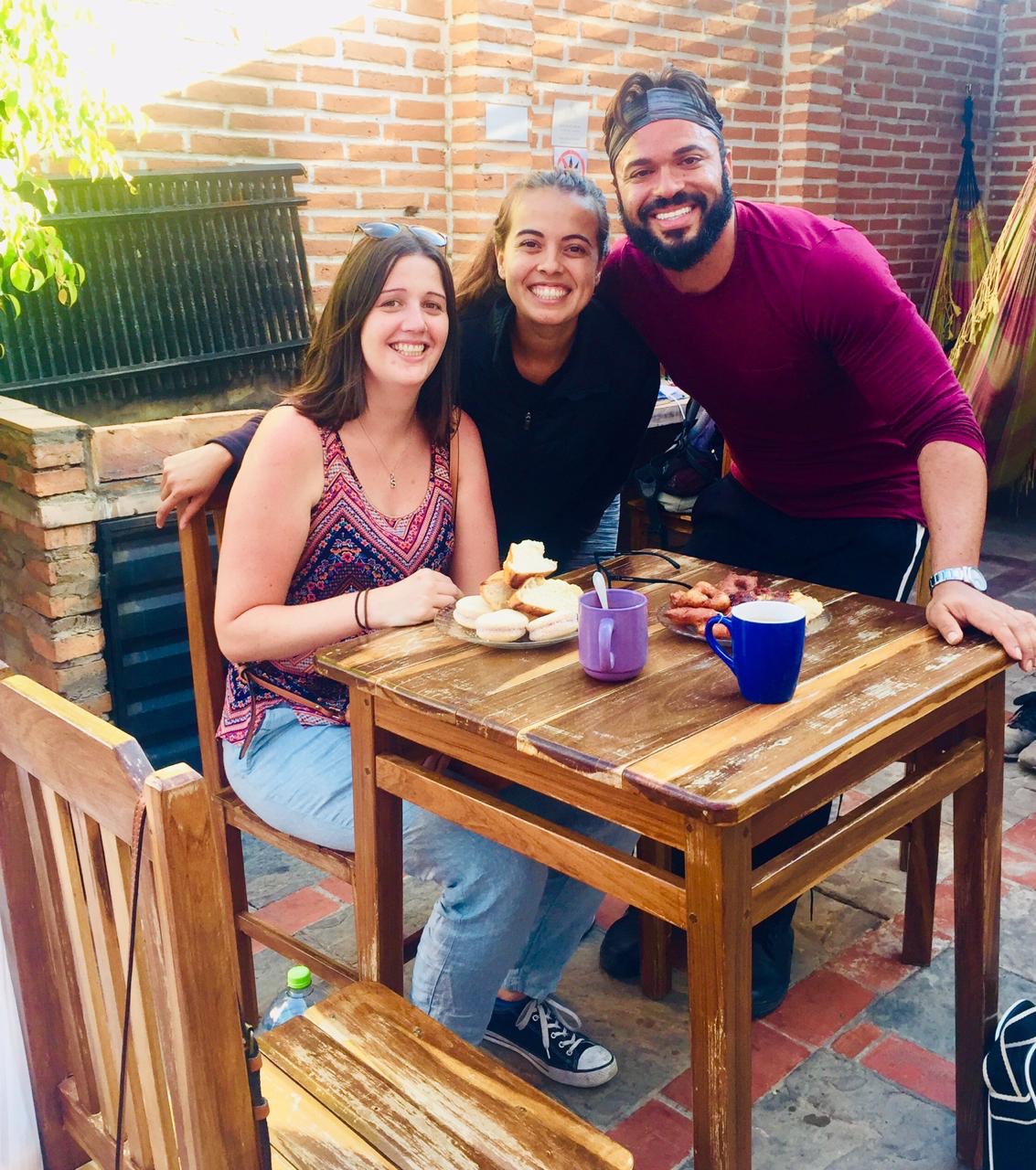
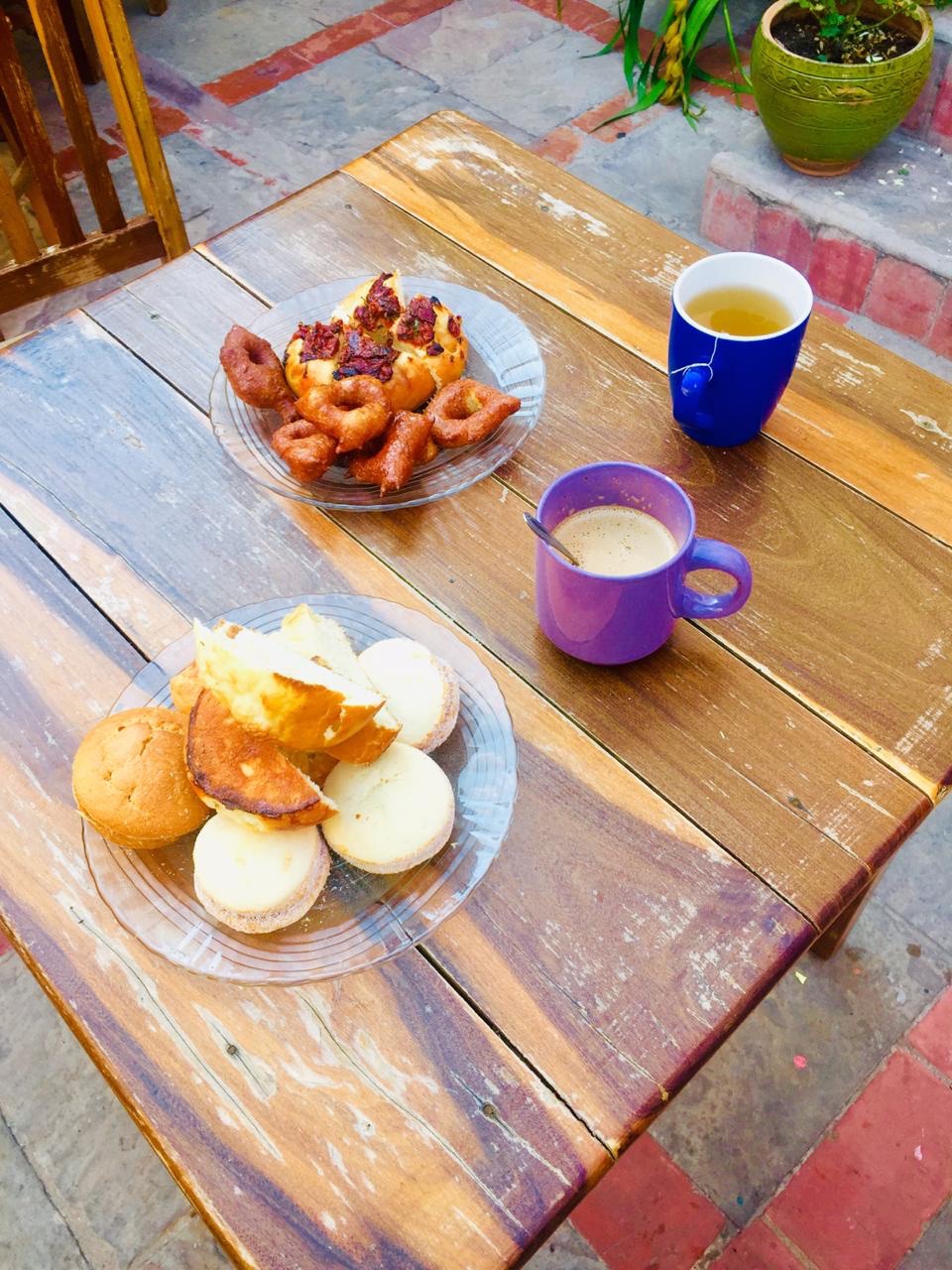
During one of my last days in Sucre I also got an opportunity to meet Willys a Brazilian traveler visiting Bolivia for just a few days. His enthusiasm about traveling and the positive energy he exuded really excited and uplifted me. It was his first time traveling outside of Brazil and it was nice to hear someone new and fresh to solo traveling explain the exhilaration and freedom they were feeling at the moment. A few hours before leaving Sucre to head back to Brazil, he wanted Sarah and I to have some pastries, coffee and tea with him as a farewell treat and final time together. During our tea time, we told him about our plans for Rio in March and as of now have almost convinced him to join us for Carnaval. For the few hours we got to spend together that day, the time was full of energy, laughter and language exchange. With his limited English and Spanish, Sarah’s limited Spanish and me not knowing any Portuguese it was interesting at times figuring out how to communicate with each other. I’m realizing it takes tons of patience, attentive listening, and creativity, which I’ll need more of when I get to Brazil.
Uyuni
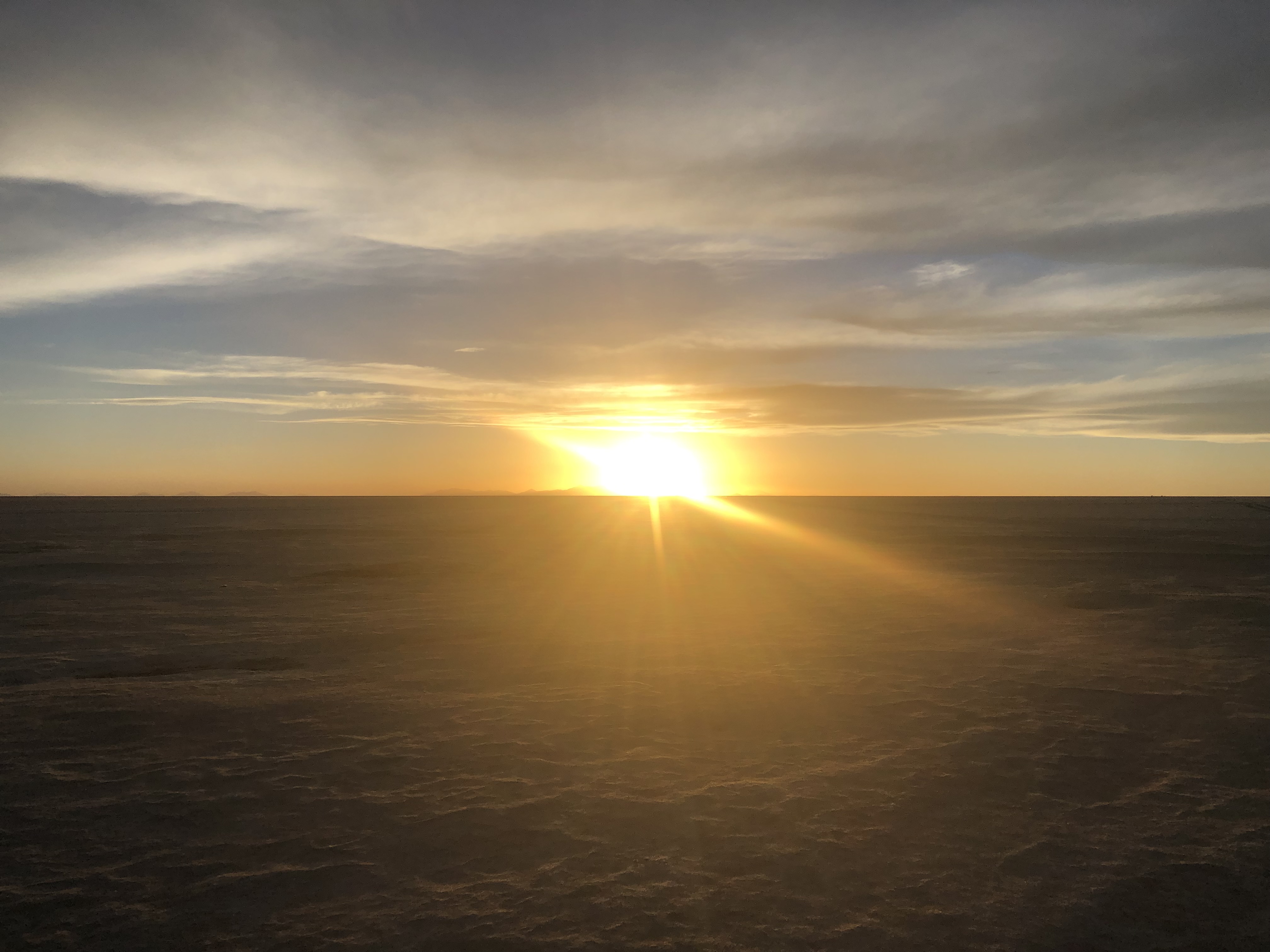
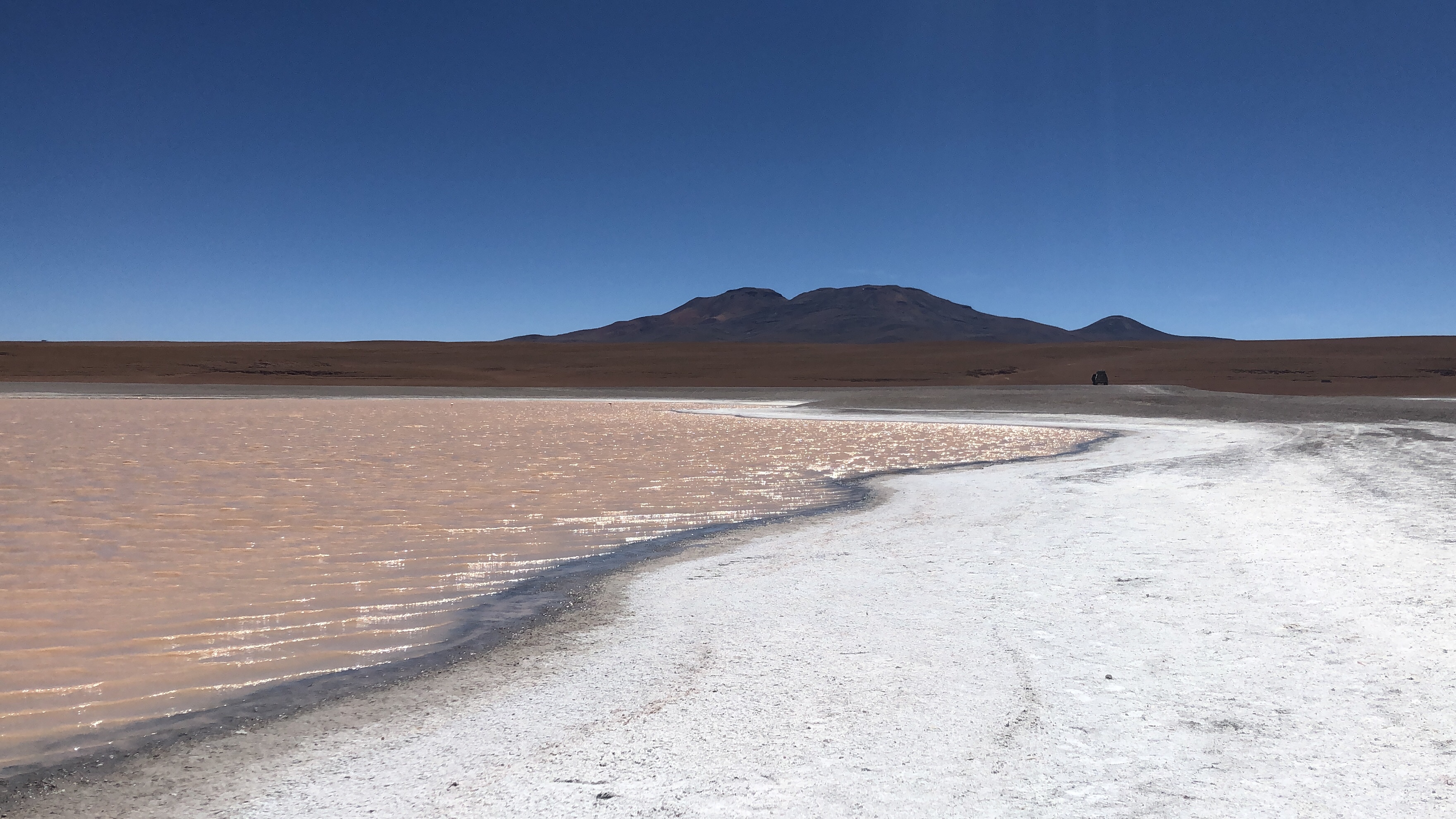
Uyuni was one of the main destinations I was looking forward to while visiting Bolivia. It is a very popular destination many travelers don’t dare miss in order to see the salt flats. During the multi-day tour, we got to visit a train cemetery where trains were left abandoned by mining companies that used to use them to transport minerals out. We also got an opportunity to see a number of lakes, flamingos, and vistas that allow you to see volcanos from a distance and of course the salt flats. I learned the salt flats was where an actual scene of the latest Star Wars movie was filmed. I also learned that one potential explanation on how the area has accumulated so much salt is because it was once a salt lake that eventually dried out. The salt flats were really the highlight of the entire excursion for me. Because of the way the salt flats look, one can take really interesting perspective photos. I didn’t realize how difficult it was to actually take these photographs because Sarah and I really struggled taking ours. Luckily, our guide who is well versed in taking these photos was able to help us out with getting a few video and action shots.
I just entered Chile about a week ago and I’m so happy to be back in what I consider comfortable altitude. I plan to stay in coastal towns the majority of my time here given the immense amount of coast it has, and to potentially get a small feel for being back home in California. Fun fact: it is the country with the longest stretch of coast in the world. I’m also feeling so much more positive and optimistic from how I’d been feeling towards the end of my time in Peru and beginnings of Bolivia. It feels like I’m in the final stretch of my travels now that I’ve crossed the halfway point and have about three months left in South America. So, I have this new surge of trying to make the most out of my visits and embrace the relationships I’m building with others and with myself. The past few weeks I’ve been obsessively watching videos on cooking, specifically those with plant-based recipes and more whole foods ingredients. This new intense interest in cooking has awakened. An interest that often gets buried in the back of my mind during times of high stress and busyness. I’m on a quest to perfect my morning oatmeal that I’ve been making at hostels (I even had a vivid dream of making oatmeal for my sister, evidence of my obsession?) and I’ve been semi-successful at making homemade hummus. I say semi because though it was edible, it did not have the consistency or taste I’d like. This pretty much sums up the major things I wanted to share about my short stay in Bolivia. A short and sweet post, just like the mango chunks in my oatmeal.
Your gift to support my writing is greatly appreciated! Thank you.
Choose an amount
Or enter a custom amount
Gracias.❤️
Donate
 Journeying Through South America
Leave a comment