Ecuador: Quito, Mindo, Cotopaxi, Quilotoa Loop, Baños, Machalilla National Park, Cuenca (Week 10-13)
Quito
Quito is a big city and it was great to start my travels in Ecuador with Sarah. We both left Colombia and arrived in Quito on the same day, she by plane and I by bus. We decided to stay in the Quito area for one full week which included trips to Otavalo and Mindo right outside of Quito. Being in Quito was also the beginning of what would become continuous commentary of blaming any slight mental or physical difficulty on the altitude. Anytime we would say something that didn’t quite make sense, we felt ill in the slightest, or made a decision that questioned our common sense, we’d just justify it with one simple phrase, “It’s the altitude”.
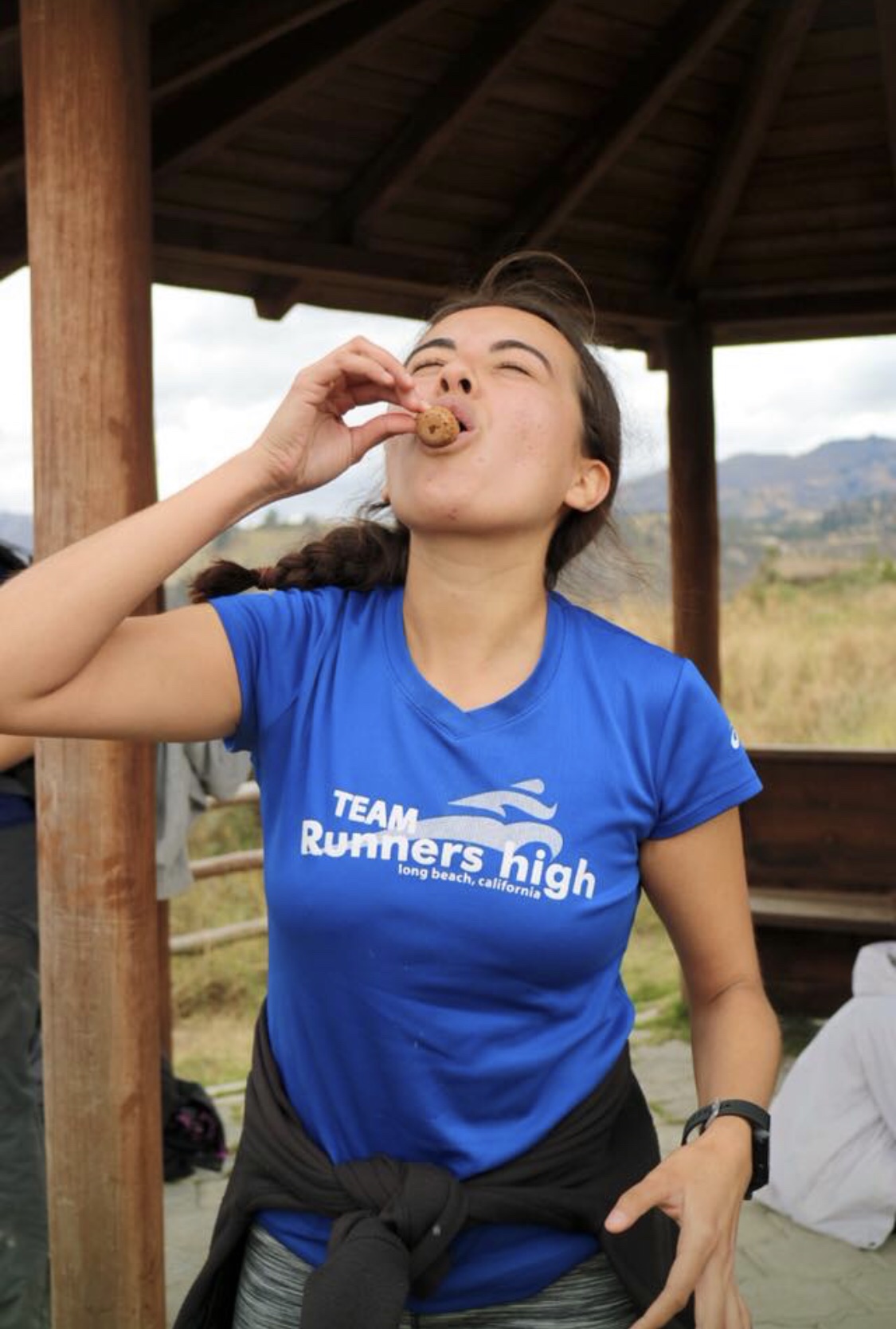
I personally didn’t find the city of Quito to be too exciting. It’s big, busy, and the air didn’t smell too clean. Still, the most had to be made from it and with some laid back flexible plans, we decided on two things we definitely wanted to do: visit Mitad Del Mundo and take the teleférico up Pichincha volcano to a viewpoint where we can see a panoramic view of the city. Going to the equator line of Mitad Del Mundo was really enjoyable. We watched young Ecuadorian children put on a 1+ hour performance where they showcased numerous traditional dances. I lost a game of “Odds On” to Sarah where I had to chew on some sort of plant being fed to the llamas. Also, I got a chance to learn about the equator line and the uniqueness of the Mitad del Mundo’s positioning. However, we did learn that the Mitad del Mundo may really not be the actual location of the equator line and that it is actually located just a few meters north in another museum. We tried visiting that museum, but it was closed by the time we arrived.
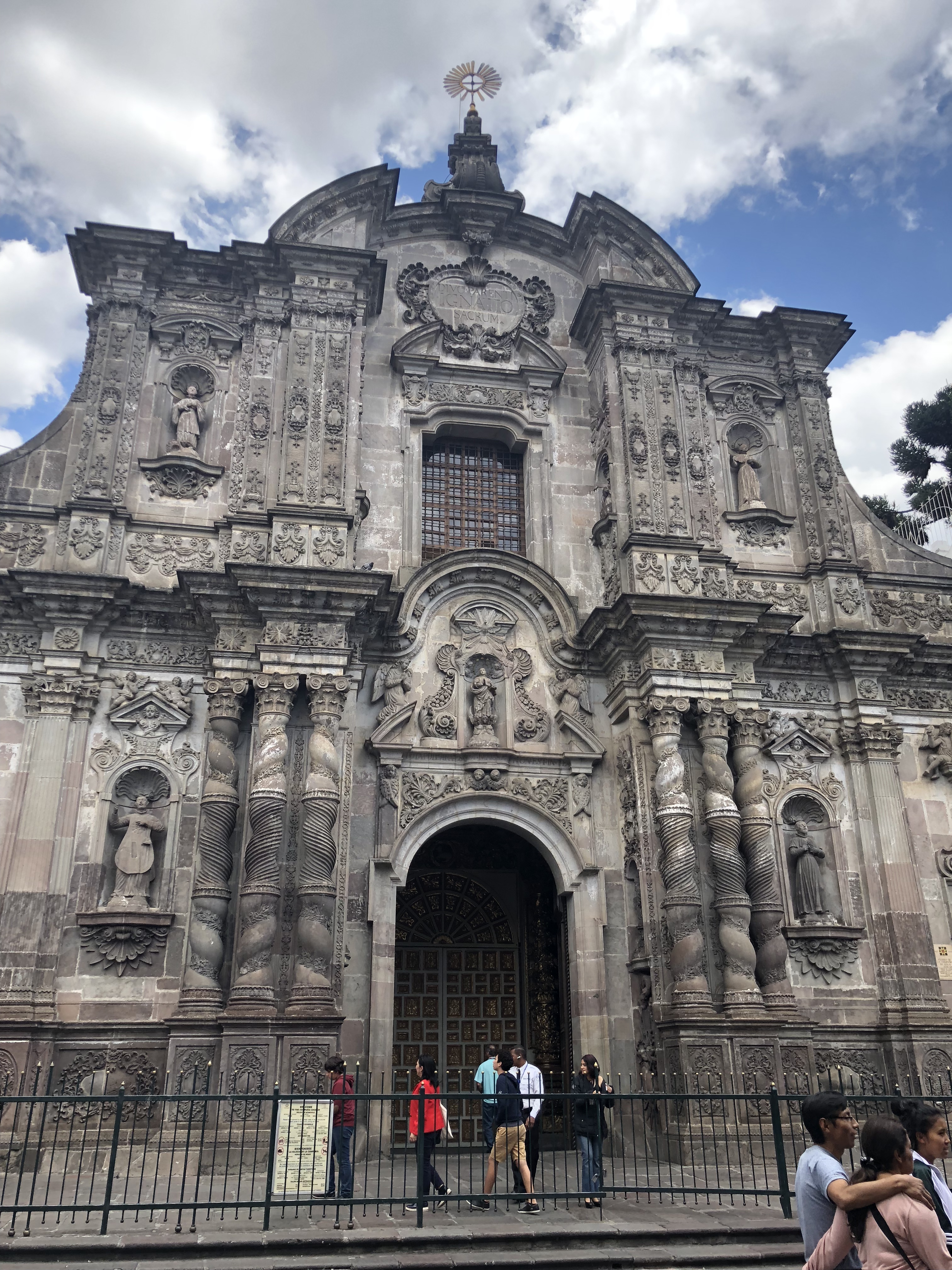

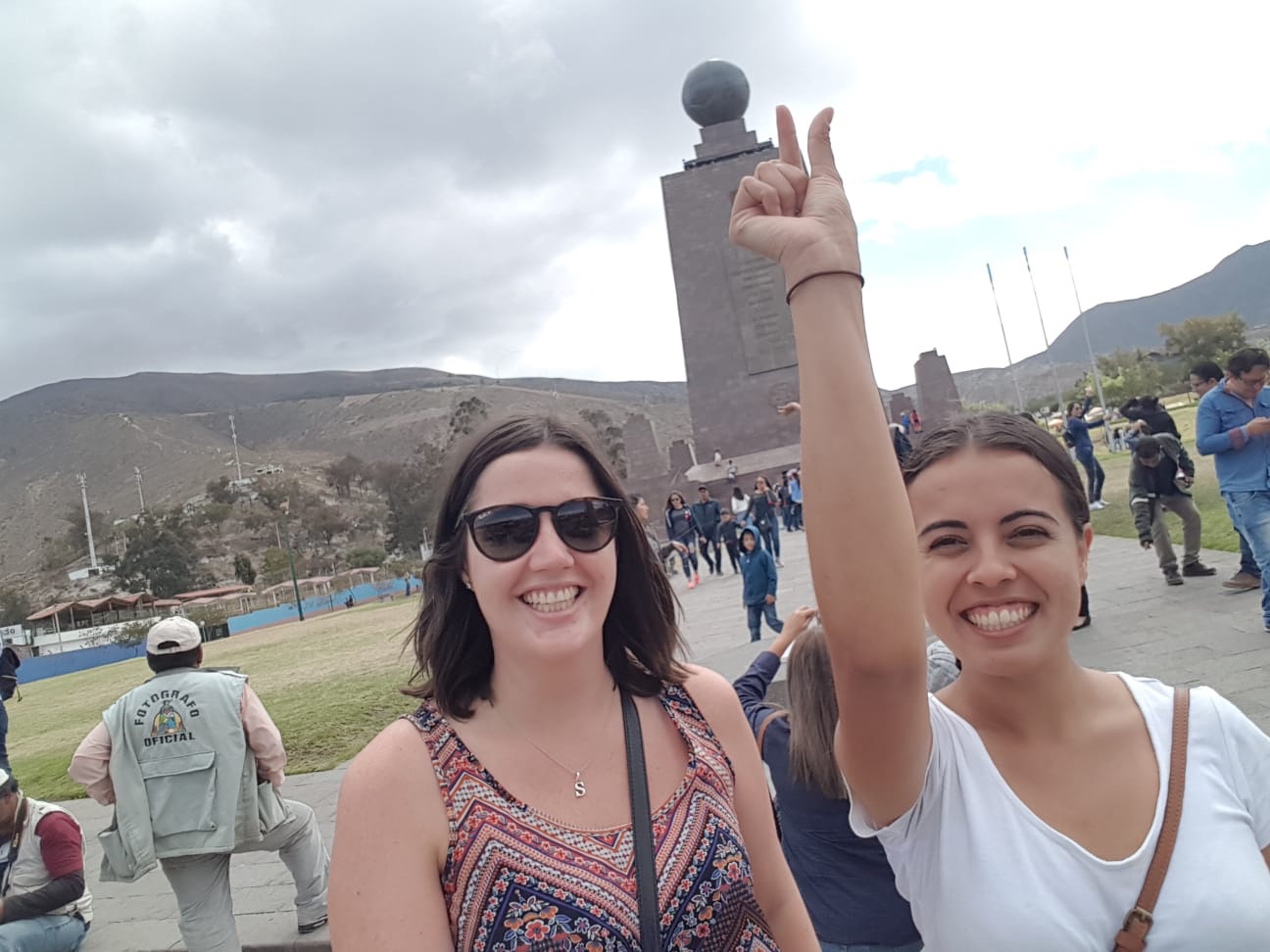
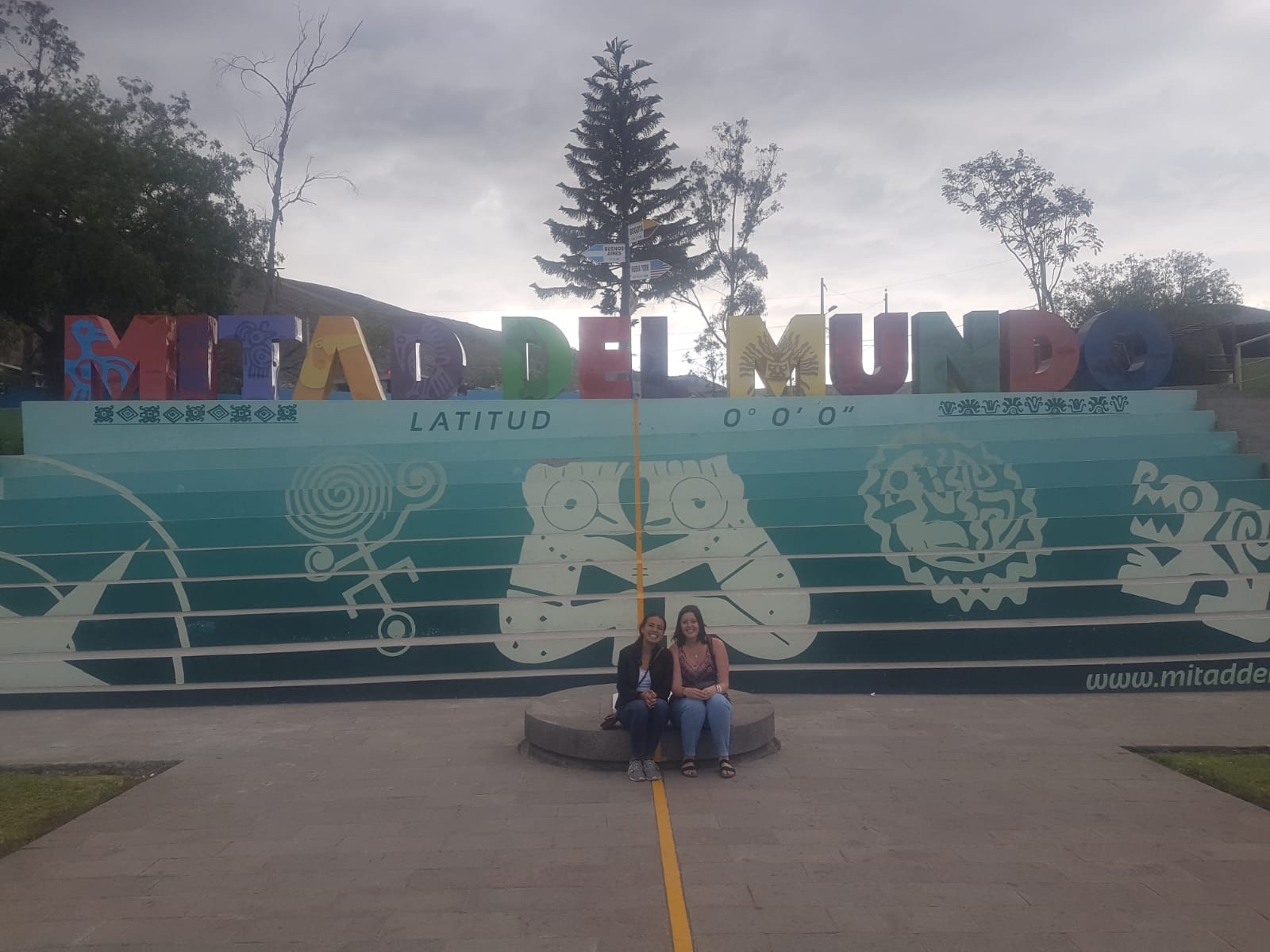
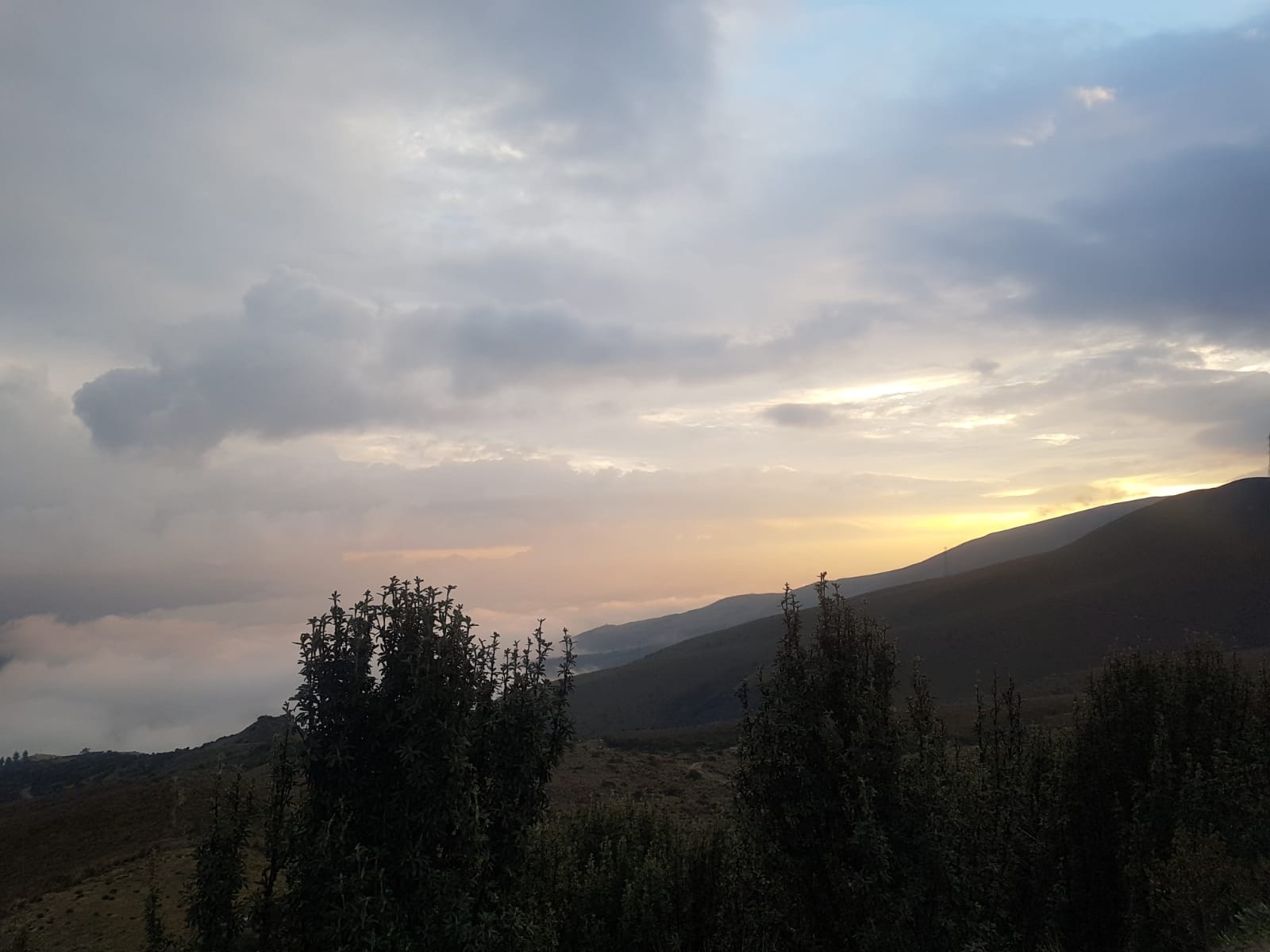
Before leaving Quito, we wanted to take the cable car up to Pichincha’s viewpoint to get a nice view of the city. We first took a bus then a taxi up a steep hill to the entrance. Now, note what happened next as I’m still mind blown to the way things turned out. I paid the taxi driver to drive us up to the entrance and we got out. We bought our tickets at the ticket booth and went to the restroom. That is when I realized my phone was missing. I frantically asked Sarah if she had my phone and when she answered no I ran out of the restroom to see if I had left it at the ticket counter… which I didn’t. I realized then I left it in the taxi as I was paying the driver. In my mind it was gone and there was almost no chance I was going to be seeing it again. Many people (and online articles) had mentioned to be careful with taxis in Ecuador. Some pretend to work for a taxi company or may try to overcharge you as well. With these preconceived thoughts, I felt my chances of seeing my phone were almost gone. Still, I thought I should go back down the hill to where we got picked up because maybe the driver would be in the same location waiting to pick up other visitors. In my frantic state, we power walked down the hill as Sarah kept sending messages of positivity that we will find him AND the phone will be inside the car. I doubted that was going to be happening. But low and behold when we finally got down that hill, I spotted our driver, asked to check his backseat and there it was. I didn’t realize how attached I felt to my phone until that night. That phone is my way of communicating with family/friends back home, booking my hostels, researching my travel plans, and my GPS. I couldn’t drop my paranoia the rest of the night, so I gave my phone to Sarah to hold on to, and we finally got a chance to take the cable car up and enjoy the views.
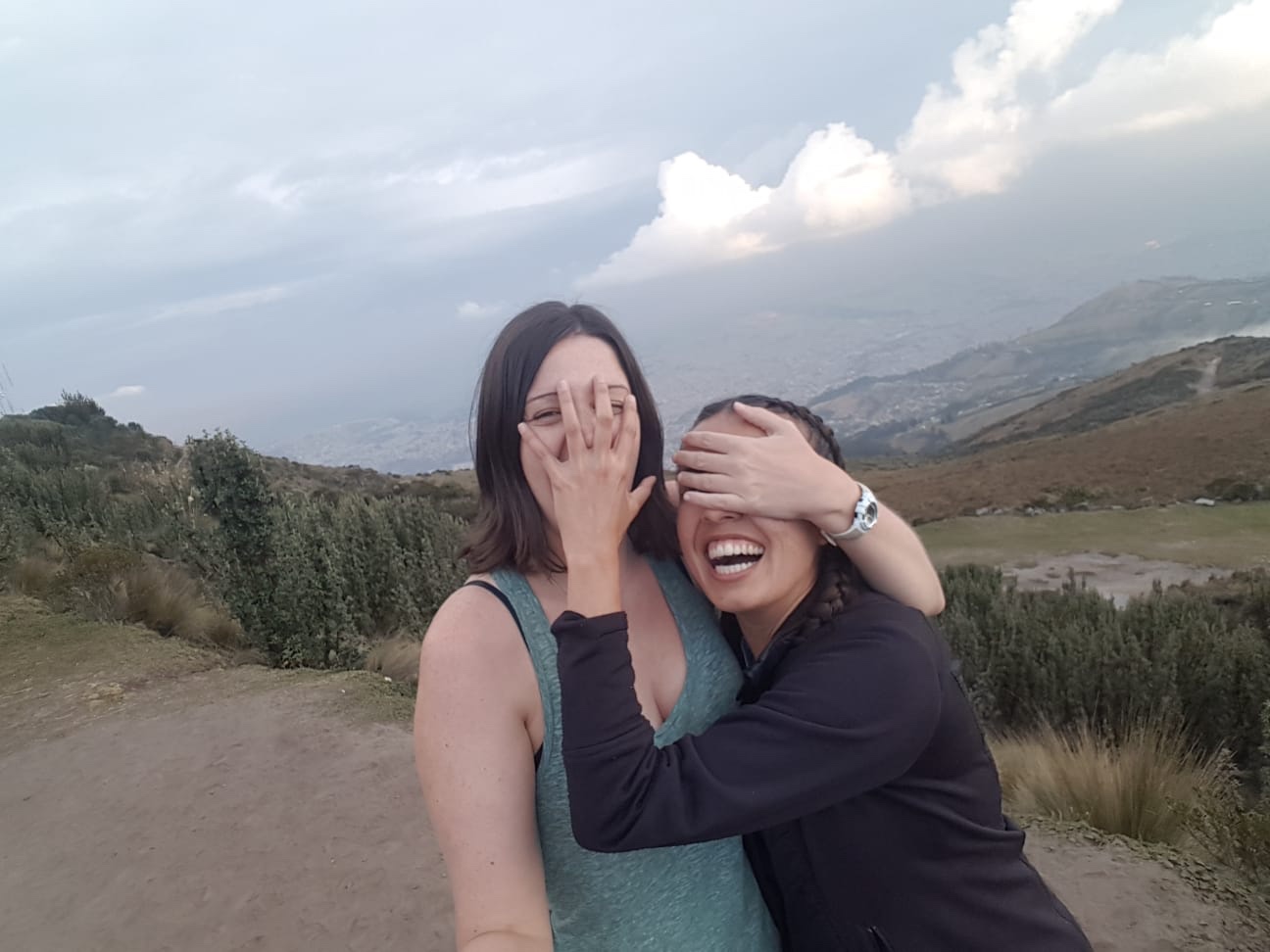
After Quito, we headed to a smaller city called Otavalo for a day. Otavalo is known to have the largest outdoor market in South America. We must have arrived during a day and time that didn’t showcase its grandness because it wasn’t booming with the busyness that we were expecting. Still, we did some bargaining and purchased beanies and gloves to prepare us for the colder weather we were to be expecting the weeks/months to come. The weather made it clear we were definitely not in Colombia anymore.
Mindo
After Otavalo, we headed to Mindo, a very small town just a few hours northwest of Quito. Our trip to Mindo started off with some high nerves as we had planned to arrive midday but because of a city event that delayed our bus, we were now due to arrive at night, something neither of us like to do for safety reasons. And in addition, we were going to be dropped off on the side of the highway and have to find another ride seven kilometers into the small town. Situations like these make me so thankful for speaking Spanish because I asked a family who was getting off in our stop if we can just stick by them and hitch a ride with whoever picks them up. They said yes and we got to Mindo and our hostel safely. The next day, we headed to do some hiking along a trail that led to various waterfalls. Like in most hiking experiences, we ran into a dog that remained with us from beginning to end. The hike to the different waterfalls was very serene and pretty. The majority of the trail was paved as the falls were located on private property. Sarah insisted that we name the dog and claimed me to be cold hearted for not wanting any attachments. Still, we managed to give the dog two names, Belle (Sarah’s choice) and Minda after the town (my choice). We clearly aren’t very creative. Minda was probably the highlight of our hike that day, even moreso than the waterfalls themselves. We didn’t get a chance to go to the butterfly sanctuary since the weather didn’t permit for us to go, but we did go to a cacao farm to learn about the process of growing, harvesting and making chocolate. Many know I don’t like chocolate, but Ecuador has been the beginning of me appreciating chocolate in a way I never have before. Before leaving Mindo, I talked to Sarah about the American classic, The Sandlot, and we got a chance to watch the film and she loved it. Our time together was put on pause for a while as Sarah headed to the Galápagos Islands for two weeks and I headed down south to explore other regions and do some trekking.
Cotopaxi
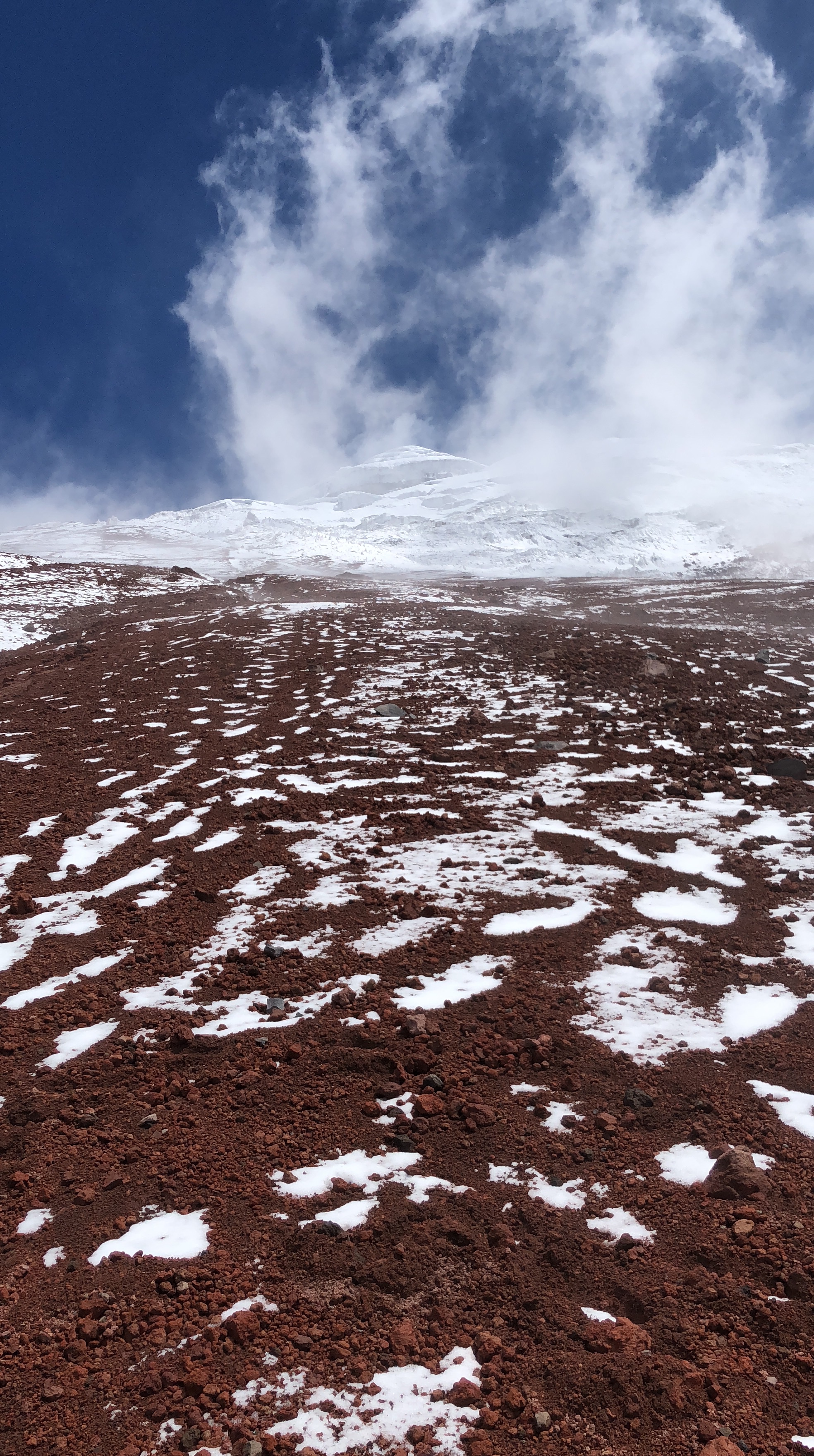
Altitude sickness is real real! I realized this when I went on a day venture to see and climb (to a certain point) one of the highest active volcanoes in the world: Cotopaxi. I was a little worried about altitude because Quito’s altitude had affected me for one night. However, Quito reaches an altitude of about 2,850m (9,350ft) and Cotopaxi goes up to 5,911m (19,393ft) which even though I didn’t plan to summit all the way, my goal was still to reach 5,000m (16,404ft). The small group put together at the entrance of Cotopaxi National Park consisted of a young couple from Quito, our guide, and me. We all decided that it’d probably be best for us to get some sort of coca infused edible to help with the altitude sickness we may experience as we were going to be increasing in elevation fairly quickly. I bought some coca candy and we headed off first to the park museum and lake. Our tour guide said these stops will also help our bodies acclimatize before heading up to the parking lot that he’d drop us off at, which would be our starting point to hike up to the 4800m refuge. The museum and our guide were able to give us some background info on Cotopaxi. We learned the last major eruption was more than 100 years ago. A little more than 20 years ago, there was an avalanche that partially buried the refuge and killed a few people. In the most recent years, there have been minor eruptions of ash and steam and because of its active nature, Cotopaxi is being monitored very closely.
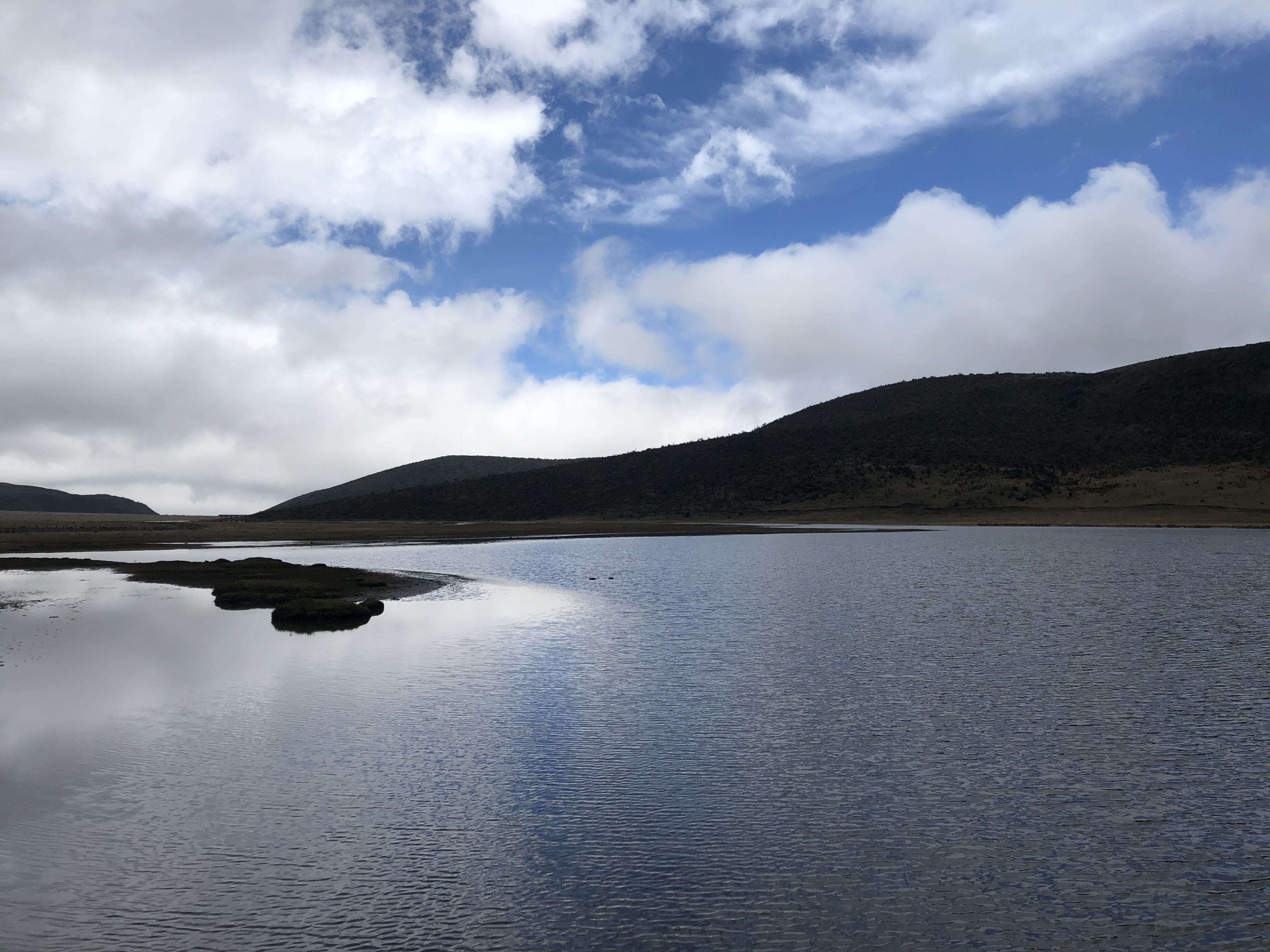
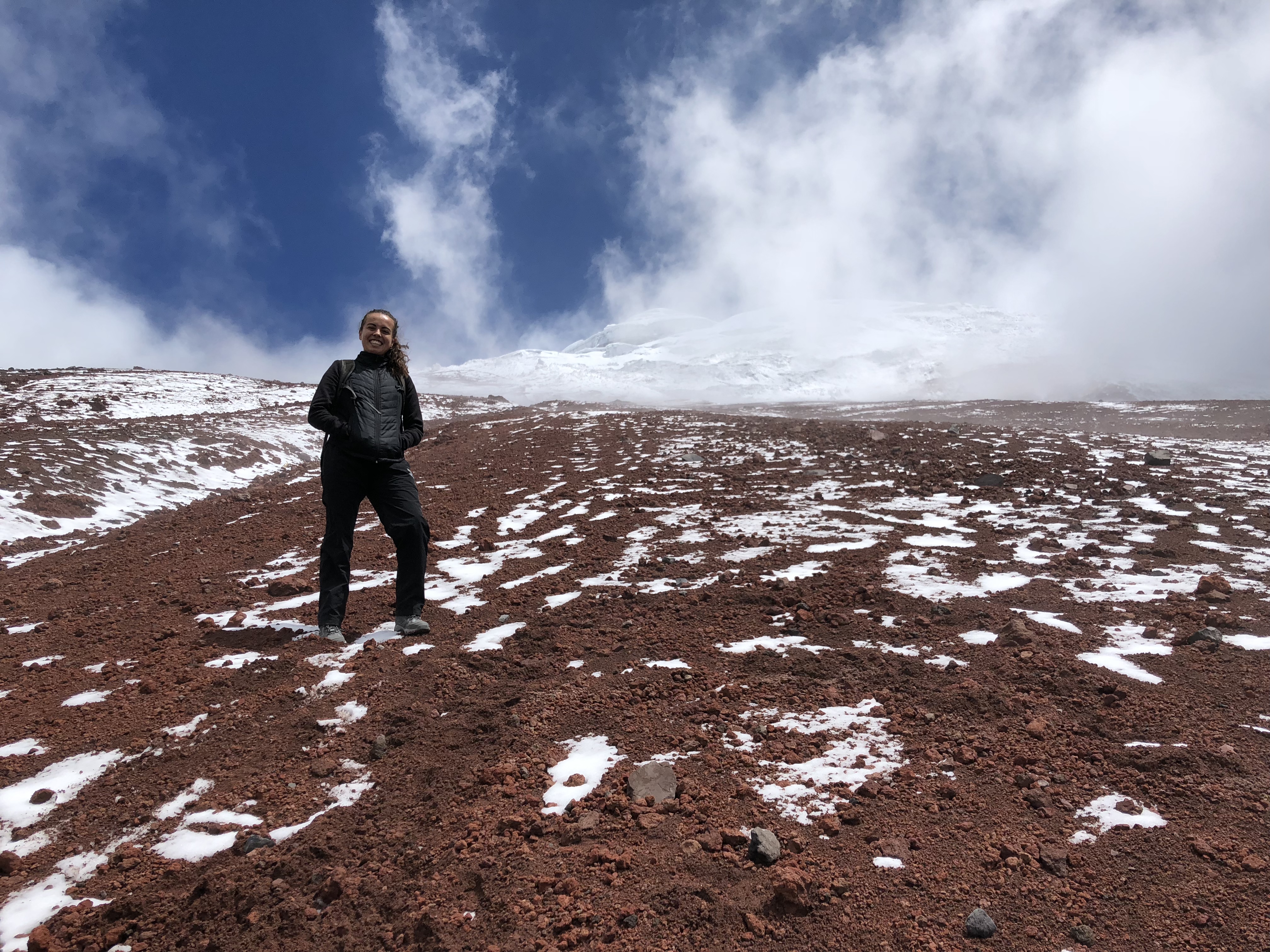
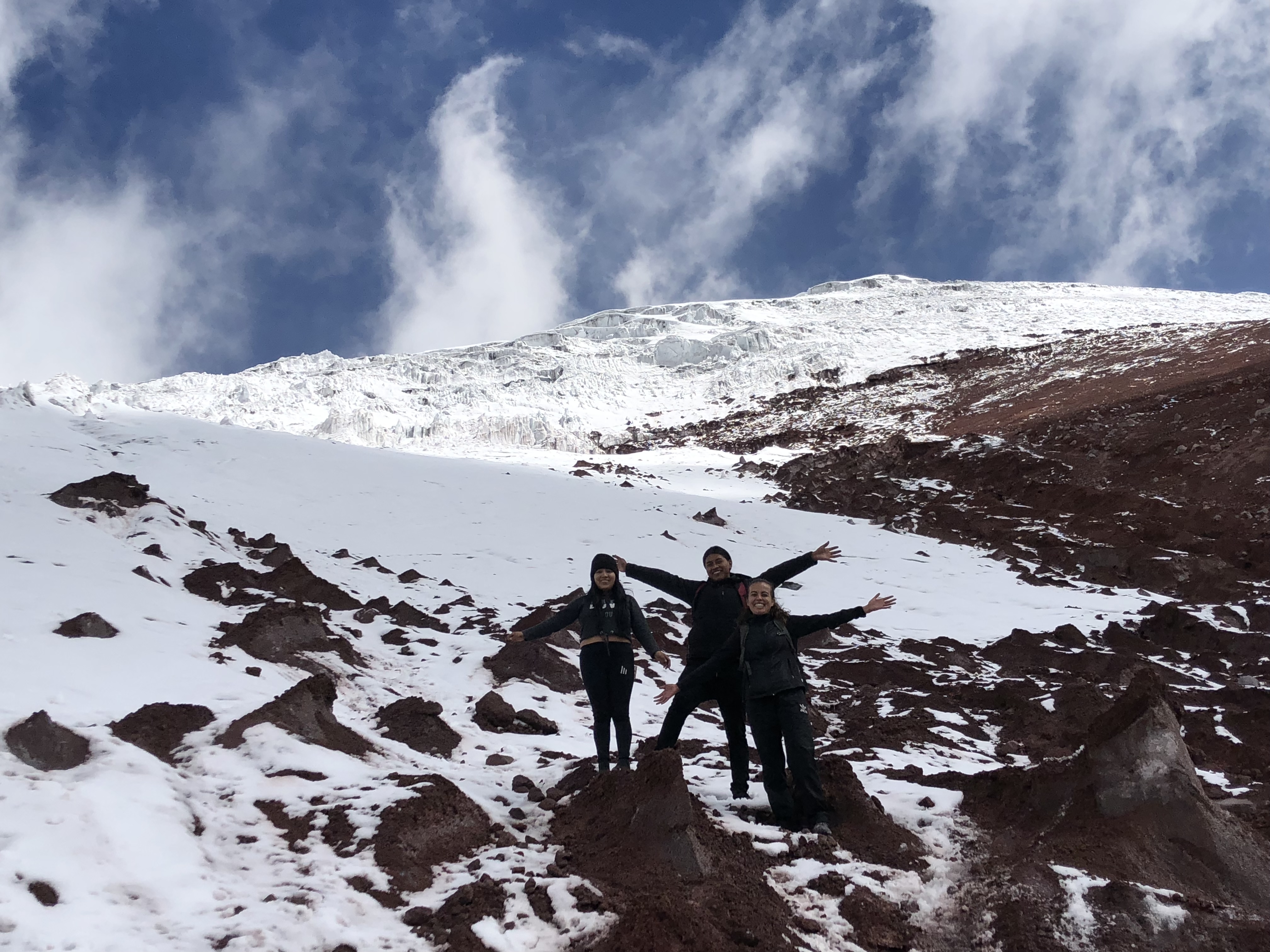
After the museum and lake we headed up to the last leg of the drive where our guide would leave us at the parking lot to climb 200m up to the refuge. Now, 200m is not much of a distance but having to go from 4600m (15,091ft) to 4800m (15,748ft) and coming from Long Beach, CA which is only at around 16m (52ft), that is a huge difference to my body. By this time, I had already popped two coca candies in my mouth and was ready to walk those 200m with Sandra and her boyfriend V. Our guide reminded us to take it very slow and that it was normal for people to take around 45 minutes to walk those 200m. Man, it was a struggle! I personally had to keep stopping multiple times a minute just to catch my breath. I began to feel mild pressure on the sides of my head and dizziness. That was the beginning of my altitude sickness symptoms. I was very well aware I was feeling symptoms so I kept stopping, breathing, checking how I felt, and continued on when the symptoms would subside a bit. We slowly reached the refuge and just like our guide said, it took us 45 minutes. I finished all my coca candy by then, drank a coca tea at the refuge, and felt good to continue on up to the glacier and reach 5000m (16,404ft) with Sandra and V. As we continued on, I didn’t feel the symptoms anymore and I was able to enjoy the time and view from the glacier even more. Being up on the snowy active volcano was incredible. V had brought a traditional Ecuadorian flute and as he began playing tunes during our climb up and down the volcano, it felt so blissful.

Quilotoa Loop
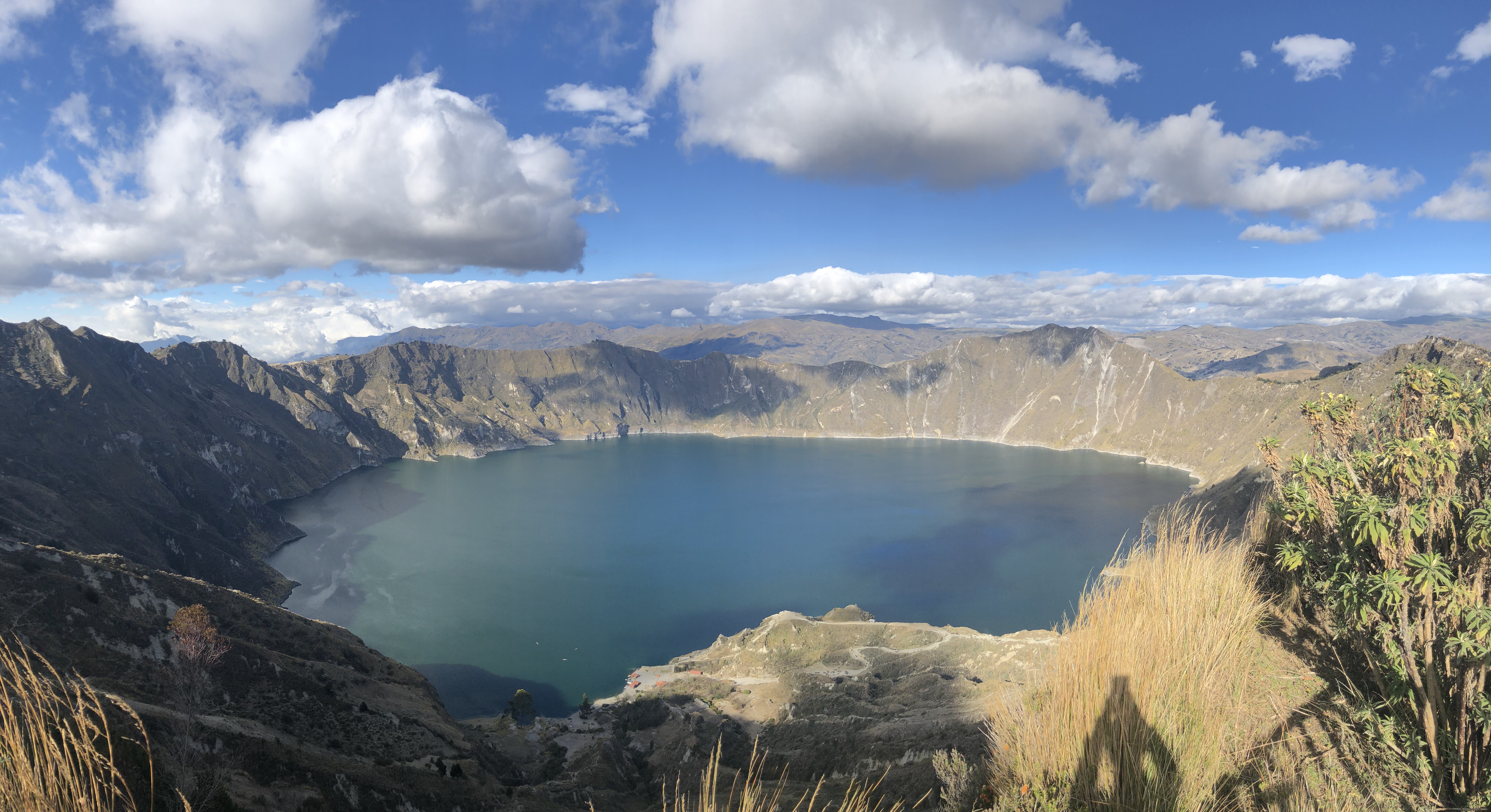
Two days after Cotopaxi, I decided to do a 3-day self-guided trek through the Ecuadorian mountains known as the Quilotoa Loop. This trek has you go through remote Andean villages, staying overnight in each village and trekking off early each morning, until you reach your final destination which is the Quilotoa Lagoon, a water-filled volcanic crater. Knowing that I would be away from my family on my birthday, I decided to plan out the multi-day trek to arrive at the lagoon on my birthday. This would be a birthday present to myself. I stayed overnight in a small village called Sigchos to set off early the next morning on my firsst day of trekking. Day one was going to lead me to the village of Isinlivi. After the first day of trekking, my confidence boosted very high because of how easy I felt it to be. I even finished about an hour earlier than the estimated arrival time, so I thought, “alright you go Anel!” However, this feeling was short lived when day two and three came around. During my first day of trekking, I had the company of a cricket for a good 15 minutes. It had landed on my watch, and I allowed it to tag along with me. Every time I am doing an activity solo and an animal happens to join me, which seems to happen a lot, my mom likes to say it is my guardian angel looking over me. Whether it is true or not, the simple fact that another living being joined me for a bit was enough to light up my experience even more. It also made it more special, since I didn’t see a single hiker for the majority of the trail. This had me questioning how many people were really doing this and if I would be alone for the remaining days of the loop. Luckily, day two and three had tons more hikers and we got to join together to trek the remaining days.
Day two led me to the next village, Chugchilan. I was not fully prepared for what day two threw at me. The first few hours of the hike were pretty easy. I started thinking wow, if this is what it’s going to be, I don’t understand why people say day two and three are so much harder. The views were breathtaking! Being immersed within green hills, walking through remote trails, and passing Andean homes along the way with their animals was very special. Then we reached the base of the mountain we needed to climb. Prior to this, we had been walking mostly declines and within the low valleys. Changing it to a steep incline felt like a straight shot up to the top. No mercy. So I, along with a few other people I was trekking with, began climbing up. Again, just like Cotopaxi, I had to stop every few seconds to catch my breath. My legs were feeling so fatigued, and my confidence was nowhere what it was on day one or even right before this ascend. The gap between my group and I began to widen to a point where they were out of sight. I didn’t see them until I reached the top and reunited with them. We took a small break to enjoy the view from the mirador, eat our bagged lunch, and take a shot of Aguardiente a local villager offered us, mentioning it helps with the altitude and trekking (I don’t know how true that is). After this short stop, I quickly began feeling immense discomfort in my abdomen. I started getting major bubble gut and body chills and I knew I needed to use a restroom ASAP. I didn’t realize it then, but getting the runs is another symptom of altitude sickness. I quickly asked my group to walk ahead of me, and I let mother nature have a piece of me… literally. After about 45 more minutes of walking, we finished day two of trekking and arrived at our hostel. That night had the biggest group of trekkers with at least 20 people. We got to enjoy a delicious family style dinner before heading to bed early for the last and final day. Though day two of trekking had major challenges, day three proved to be the most physically strenuous for me.

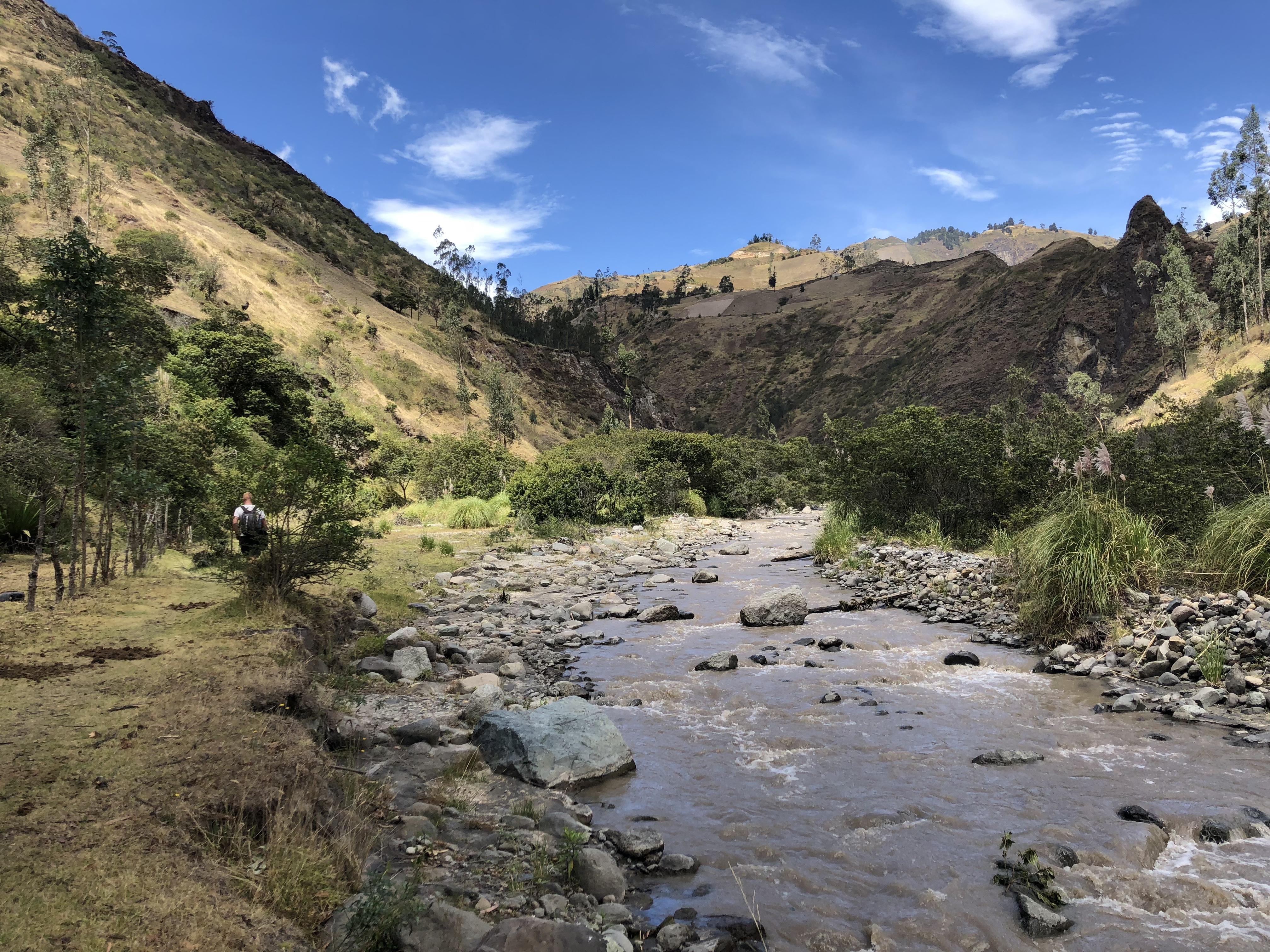
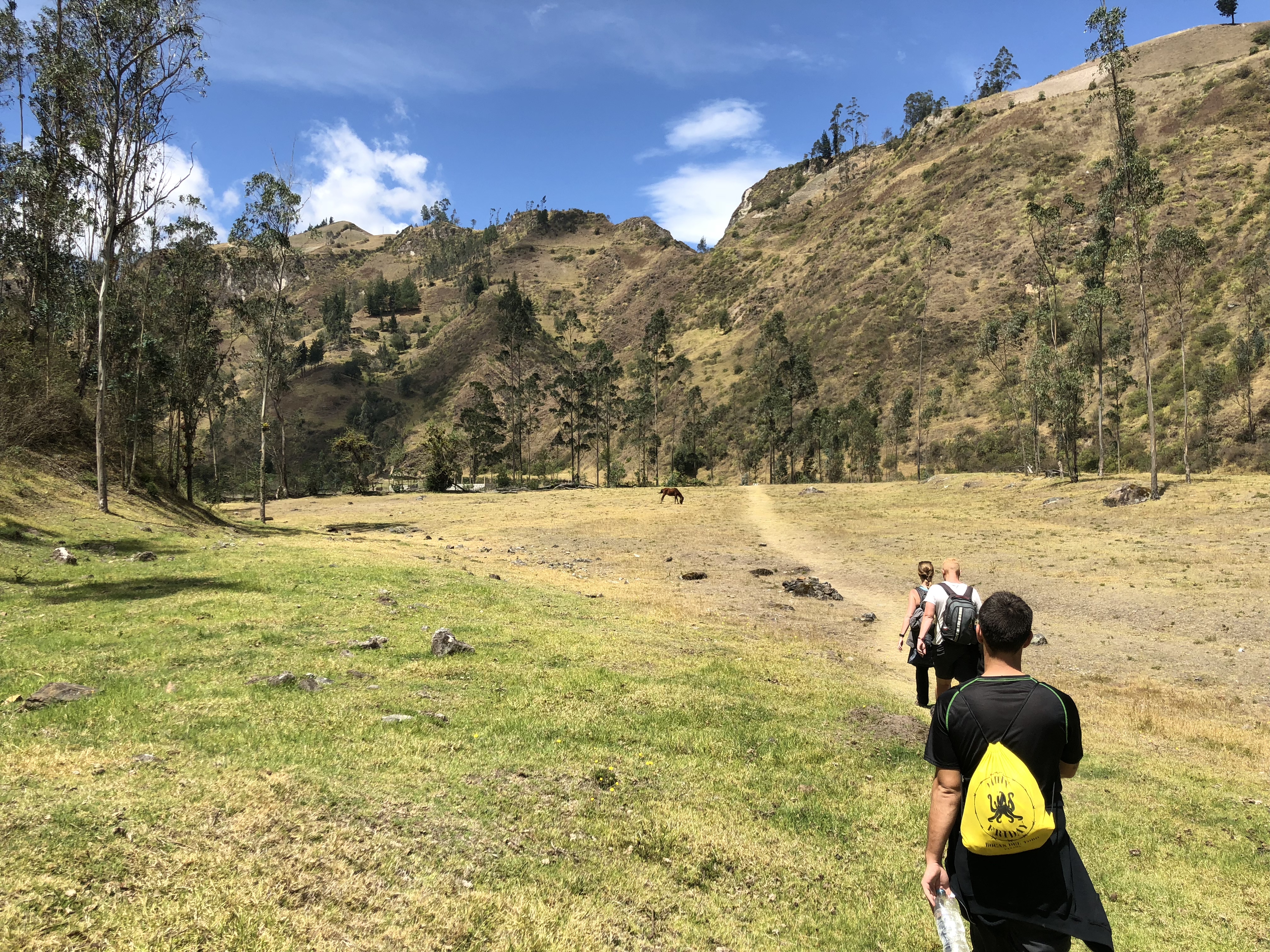
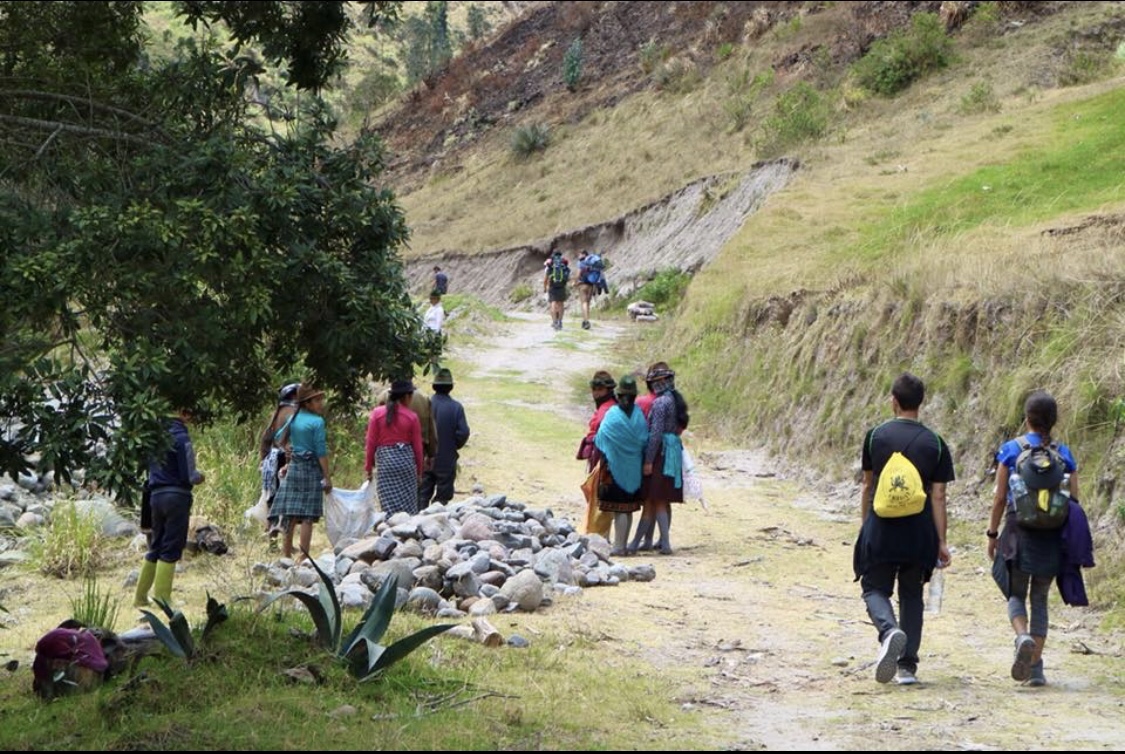
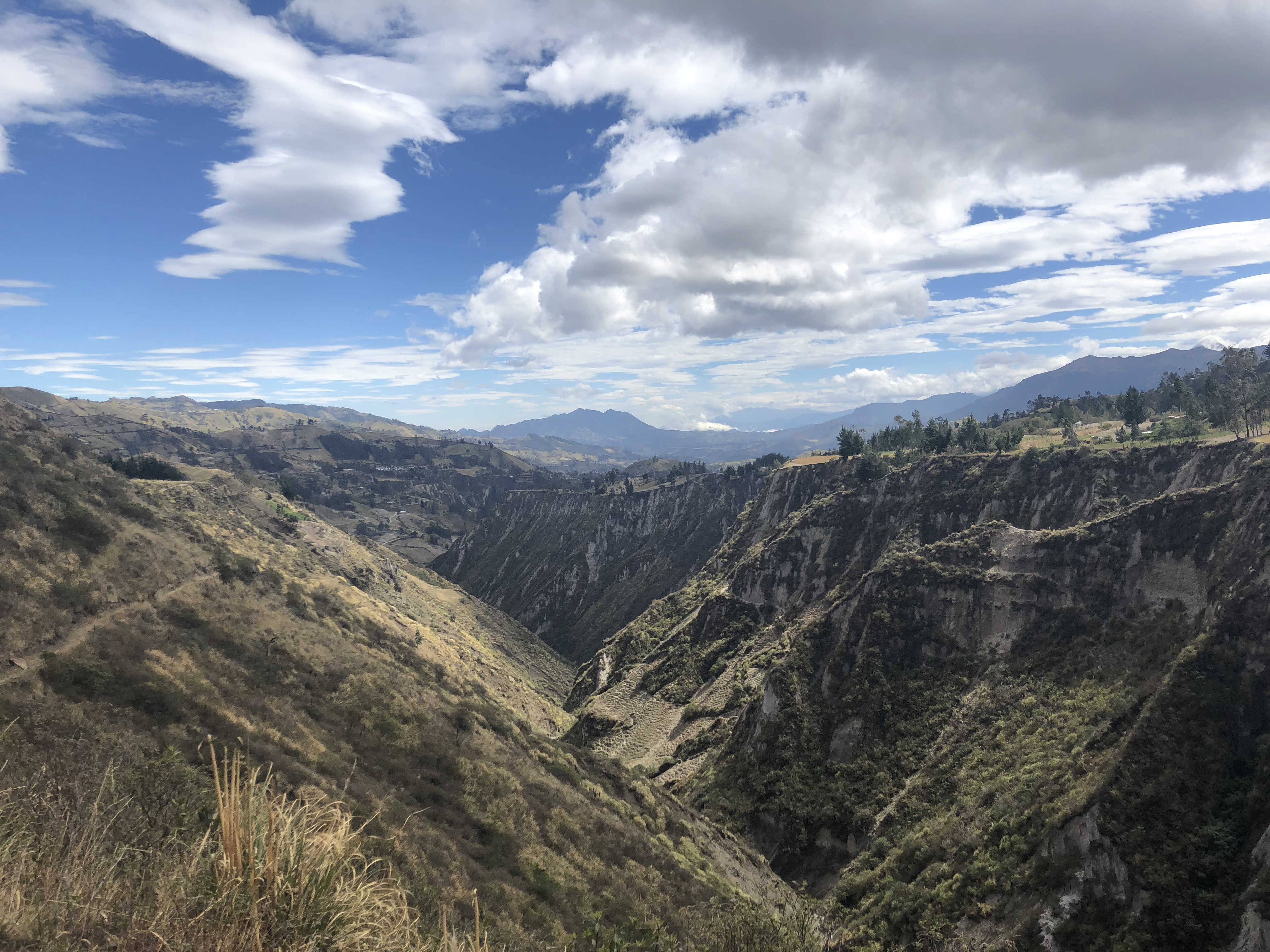
Day three was the day we reached the final destination of the Quilotoa Lagoon at around 3,914m (12,841ft). It took around six hours to complete and it happened to be my birthday. The first three to four hours showed to be fairly easy to moderate. However, just like the day before, the last stretch of the day’s trek was what made it so challenging for me. I’m realizing more and more that incline and elevation are my greatest difficulties. Just like in day two, I began slowing down so much that my group went ahead and I was left on my lonesome the majority of the final stretch. The last two hours felt like I had a pattern going; walk for 10-20 seconds, then stop to breathe. When I finally reached the top and saw the lagoon it all felt worthwhile. The lagoon was huge, my surroundings were silent, except for the gusts of wind and sand that blew through. The day before, my group had been talking about a Dutch man who got blown into the crater lagoon for being so close to the edge. We googled it and couldn’t find that story. Still, I made sure to take the trail furthest from the edge, especially because the winds were so strong up top and I was alone. I didn’t want to become a story, like the Dutch man. I ran into two of the people from my group and we got to finish the final 30 minutes of the trek together. We were so happy once we spotted the final village from a distance that once we arrived, we gave each other a group hug. Three days hiking for about 14 hours total on high elevation covering around 26 miles (according to my watch). All I can say is happy birthday to me.
During our days of trekking Quilotoa, my group and I got a chance to have conversations that sparked me to be more conscious to the motivations behind my decision-making. Our conversations ranged from pressures placed on us to be at certain places during certain times in our lives (whether it be in our professional, educational, or personal lives), to the status that is placed when we have reached certain positions in our lives. We talked about the difference in connotations between using terms such as “childless” vs “childfree” and the societal pressures that are sometimes placed on men and women to have children, whether one aspires to be a parent or not. The conversations we had were so enlightening they have stuck with me since. When I think about these conversations my group and I had, it helps remind me that when I make decisions I need to be more conscious as to what is driving that decision. Is it societal pressure? Solely my personal desires? Perhaps a mix of both? Is their a healthy balance between outside pressure and innate want? Knowing this now, it’s important for me to keep in mind so I have more awareness as to where I want to head and why.
Baños
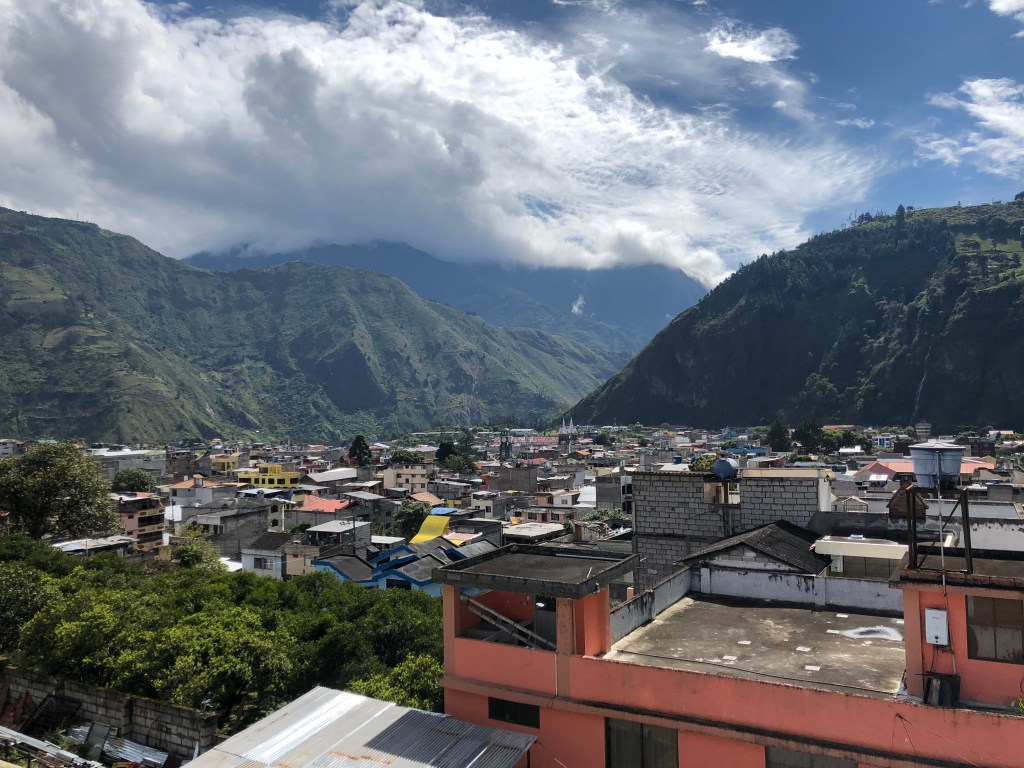
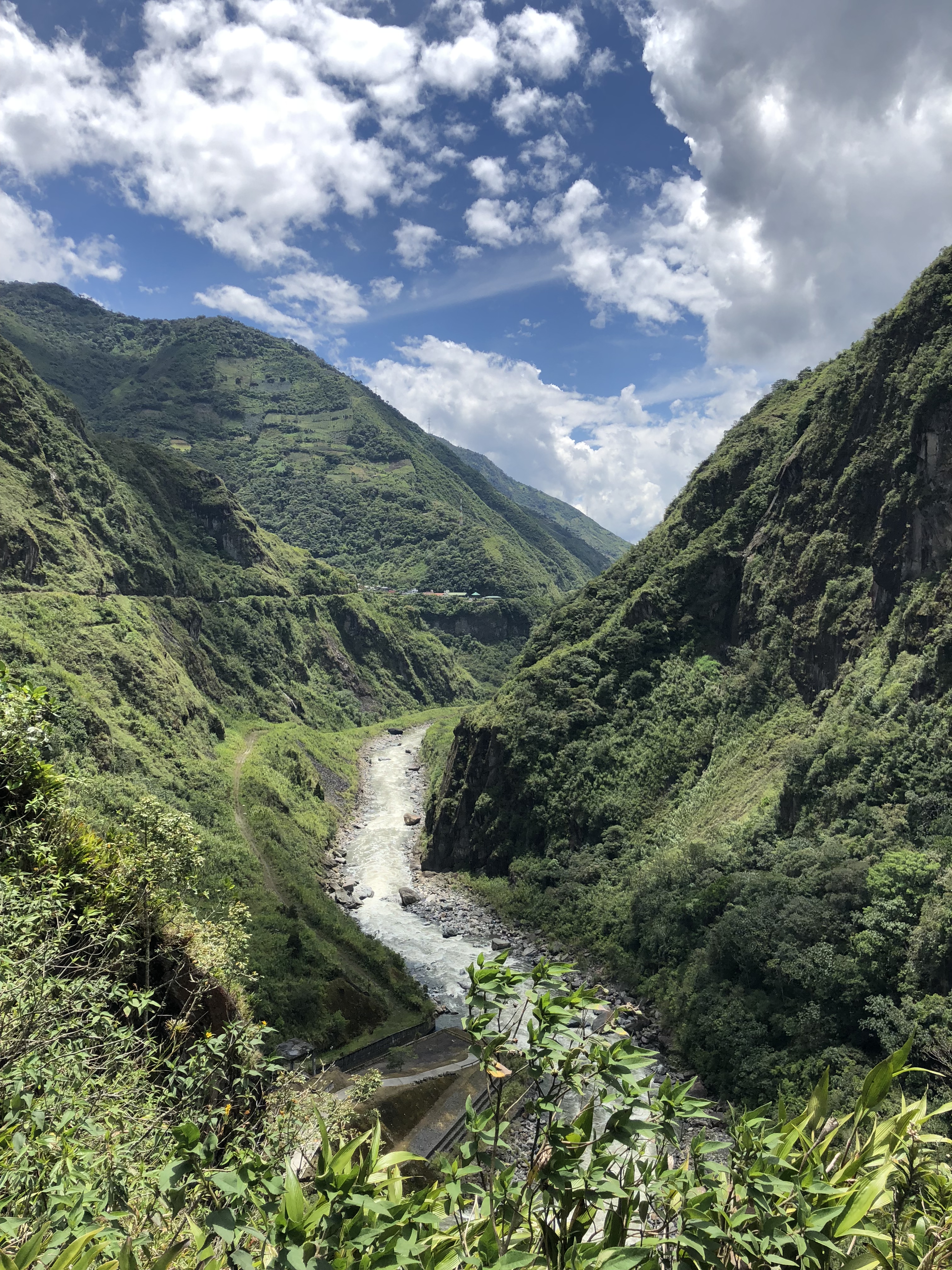
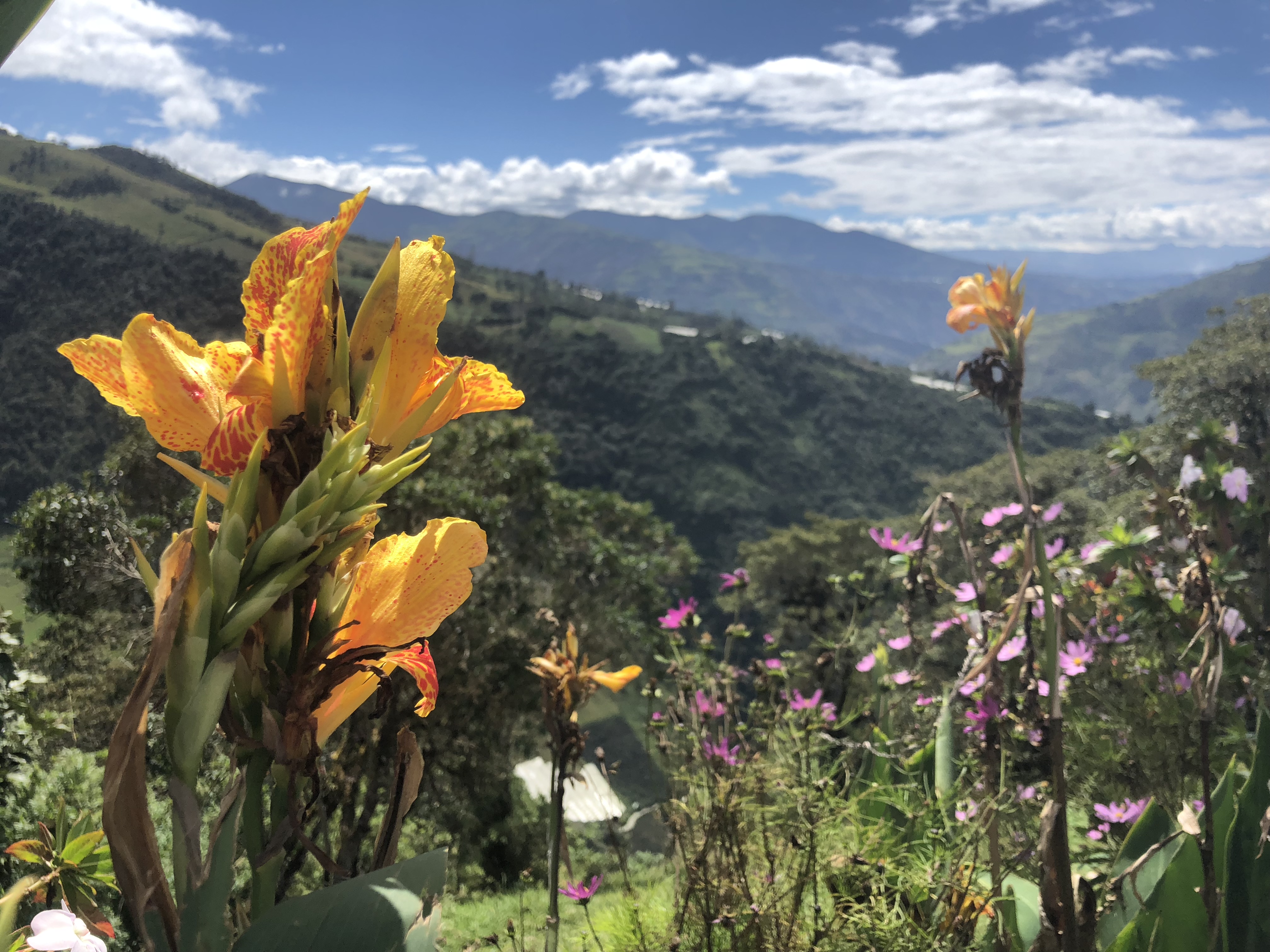
Because of my newfound love for small towns, I wanted to head to Baños since many people mentioned it to be one of the go to destinations for enjoying nature, taking hikes, and participating in extreme sports. Hiking and enjoying nature was what I wanted to do, but extreme sports are out of the picture for me. One, because I am a slight chicken and two because I can’t afford to be backpacking with crutches or a sling around my arm. I believe I am a little more susceptible to injury than the regular person. Though not many people were staying at my hostel, I got to meet two young British guys, Elliot and Jason, who I joined with to do activities for the next two days. We rented bikes and went cycling downhill through the mountains following a waterfall route that led us to multiple waterfalls. The Pailón Del Diablo was our favorite waterfall. Once we arrived, we had to walk through a path that led us so close to the fall that the mist brought up from the splashes had us soaked. There was an opening on the side of the mountain that one could bear crawl their way through to reach even closer to the waterfall and stand behind it. Cycling and reaching this waterfall was the highlight of my time in Baños. The next day we also went ahead and visited the hot springs right outside town. They were nothing special so we soaked for an hour or so and quickly left. During my last day in Baños, I went to Casa de Arbol, a small viewing area up in the mountain that has a swing many people like to go on to enjoy views of the mountains and valleys. That was pretty neat.

Machalilla National Park
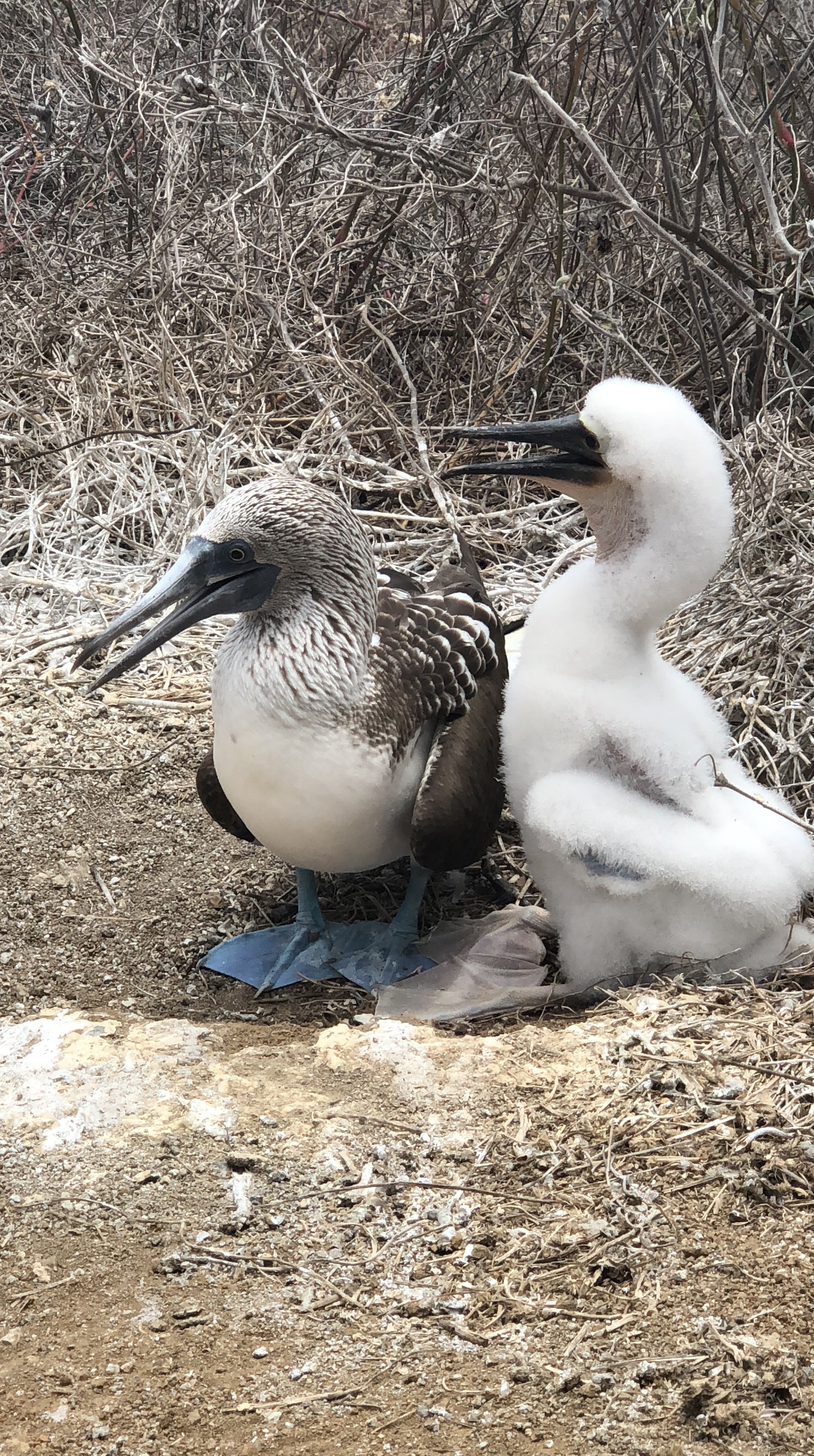
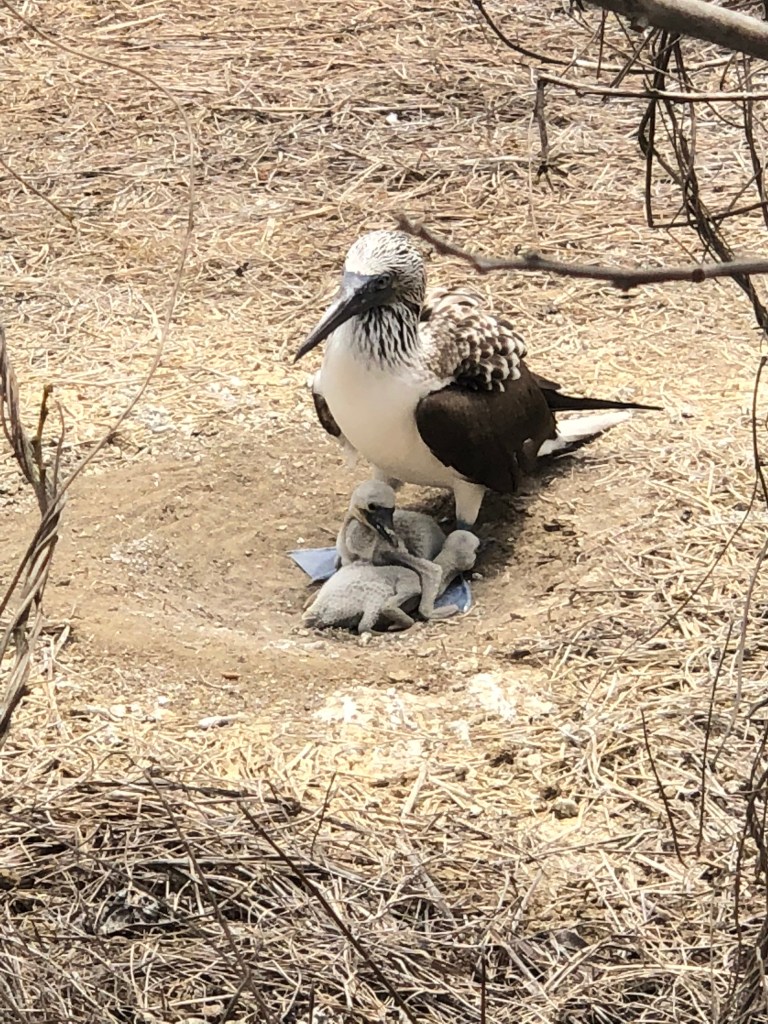
From Baños I took my first overnight bus to the coast of Ecuador heading towards a small town called Puerto Lopez located in Machalilla National Park. My specific reason for going here was to visit Isla de la Plata, an island considered to be “Poorman’s Galapagos”, that gives opportunities to see the beautiful blue-footed boobies. Unfortunately again, not many people were staying at my hostel so my first night in Puerto Lopez was very quiet and lonely. The next day I went with a group to visit Isla de la Plata. My group and I lucked out on an amazing tour guide and boat captain as they were both determined to have us catch great sightings of whales en route to the island. We caught magnificent sights of two whales breaching from a distance. We also got to see multiple whale families swim right next to our boat, thanks to our boat captain who would spot the families, speed up, and ride alongside them on their route. By the end of our boat ride, I myself became better at spotting the turquoise water that signified a whale close to reaching the surface. Our guide even allowed some of us to climb to the top and front of the boat to get better views of the whales. Being out in the ocean and that close to whales was one of the highlights of my entire time in Ecuador. I’m so glad I didn’t skip out on coming to the coast, as I had considered it because of the distance needed to get there.
After about two hours of being out in the ocean and whale watching we finally made it to the island. Seeing blue-footed boobies was so fun. I didn’t realize how interesting these birds were until I learned a little more about them. Blue-footed boobies take parenting very seriously and understand sharing their parental duties better than some humans. Both the mother and father take part in incubating the eggs and caring for and protecting the baby once it is born until it is ready to venture off on its own. Unlike most birds who build their nests up on trees, blue-footed boobies build their nest on the ground. So as we hiked through the trails of the island, we got to walk past them and their babies at very close proximity. The fathers and mothers are so protective they did not allow for us to cross that invisible line of safety they had created. I had never witnessed a species of bird that protective over their young.
That night and the next morning a few people finally arrived at the hostel. Vincent from France, Mira from Germany and I headed out to Los Frailes Beach, considered the most beautiful beach in Ecuador, to take in the sun and water. We enjoyed the cool waters of the ocean and got to have plenty of sun. So much sun that we left the beach burnt and tanned.
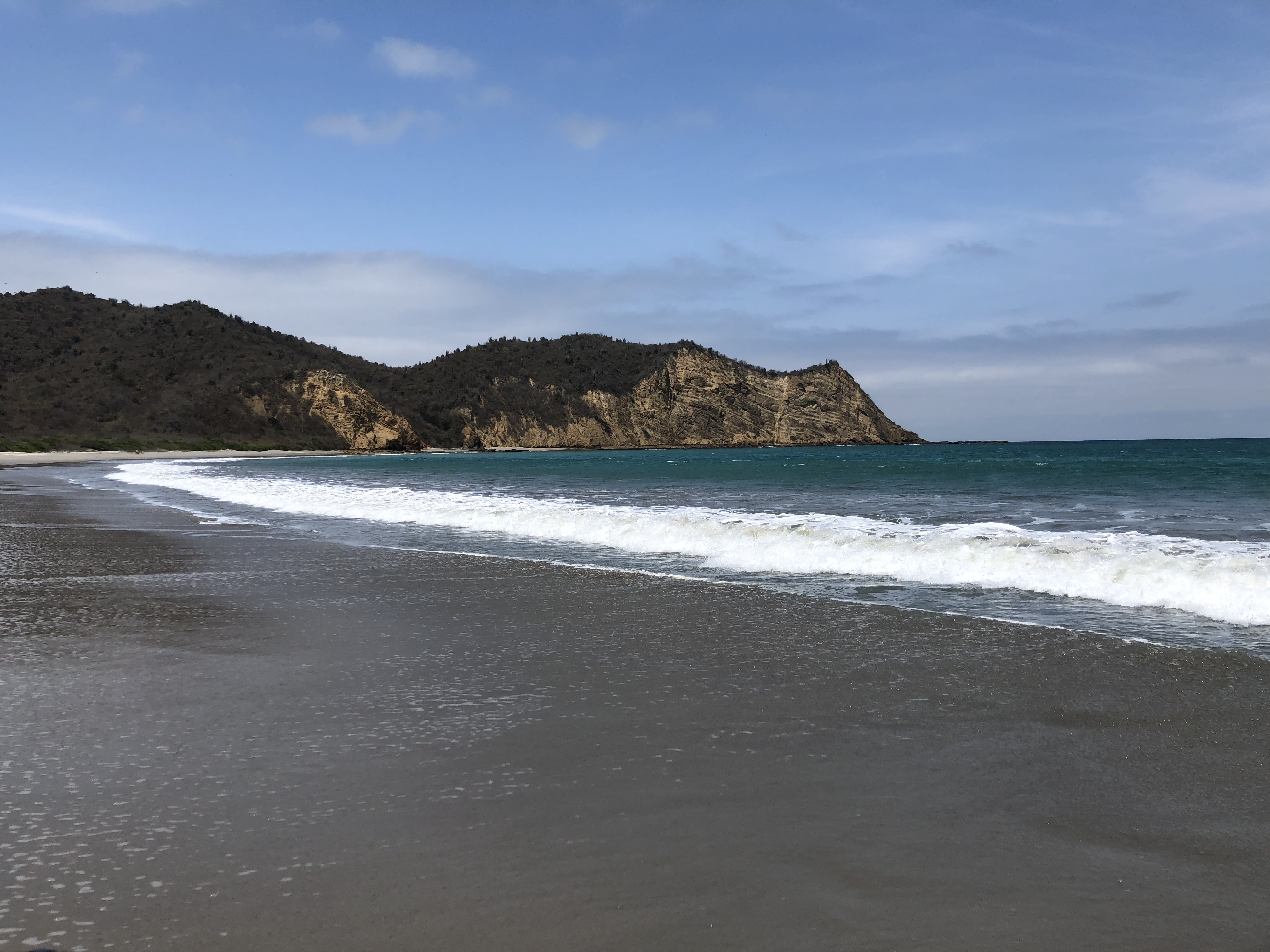
We then headed over to Agua Blanca, a co-op community located within the national park, to visit archaeological sites and a sulfur mud hot spring. The sulfur mud hot spring was the most legit hot spring I had ever been to. You can see the gasses coming up from the bottom and bubbling up to the top. And you can literally dive down, pick up mud from the floor and apply it to your skin to enjoy the rich benefits. Because of the amazing benefits we kept hearing about, Vincent and I took advantage and smeared it all over our face and arms.
Cuenca
Cuenca was the last major stop I did before leaving Ecuador. Between Quito, Guayaquil, and Cuenca, everyone seems to say Cuenca is the best large city in Ecuador. Though large, Cuenca has very laid-back vibes and is not as congested or loud as Quito. It has great restaurants (one where I ate dinner at three times) and the people are very friendly. I met up with Sarah and Mira here. This was actually all three of our last major stop before heading over to Peru. One place we visited while being in Cuenca was Cajas National Park. To me, this place had a mysterious almost spooky kind of feel to it. I think the weather had a huge part to do with it. Within 45 minutes of our hike, it began to hail. I can’t handle much cold so I was hoping it would stop and not get any colder. The hail did stop, but it still got much colder thereafter. We hadn’t even gotten to the trailhead when Sarah mentioned she was feeling sick from the altitude. Later, we figured it may have been that she had not had much opportunity to acclimatize herself to high altitudes given she was at the Galápagos Islands for two weeks prior to arriving at Cuenca. She decided to head back to the hostel, and Mira and I continued on into the park. We hiked for 4 1/2 hours in the freezing cold. There was a light rain the majority of the way. My fingers got so numb I wasn’t able to move them to open up my water bottle. The eeriness of the park held true until the end of our hike. When I arrived back at the hostel, I found Sarah lying down on her death bed. Just kidding. But she did still look pretty sick. Gotta remember that to us anything that happens in Ecuador is because of “the altitude” and in this case, it really was.
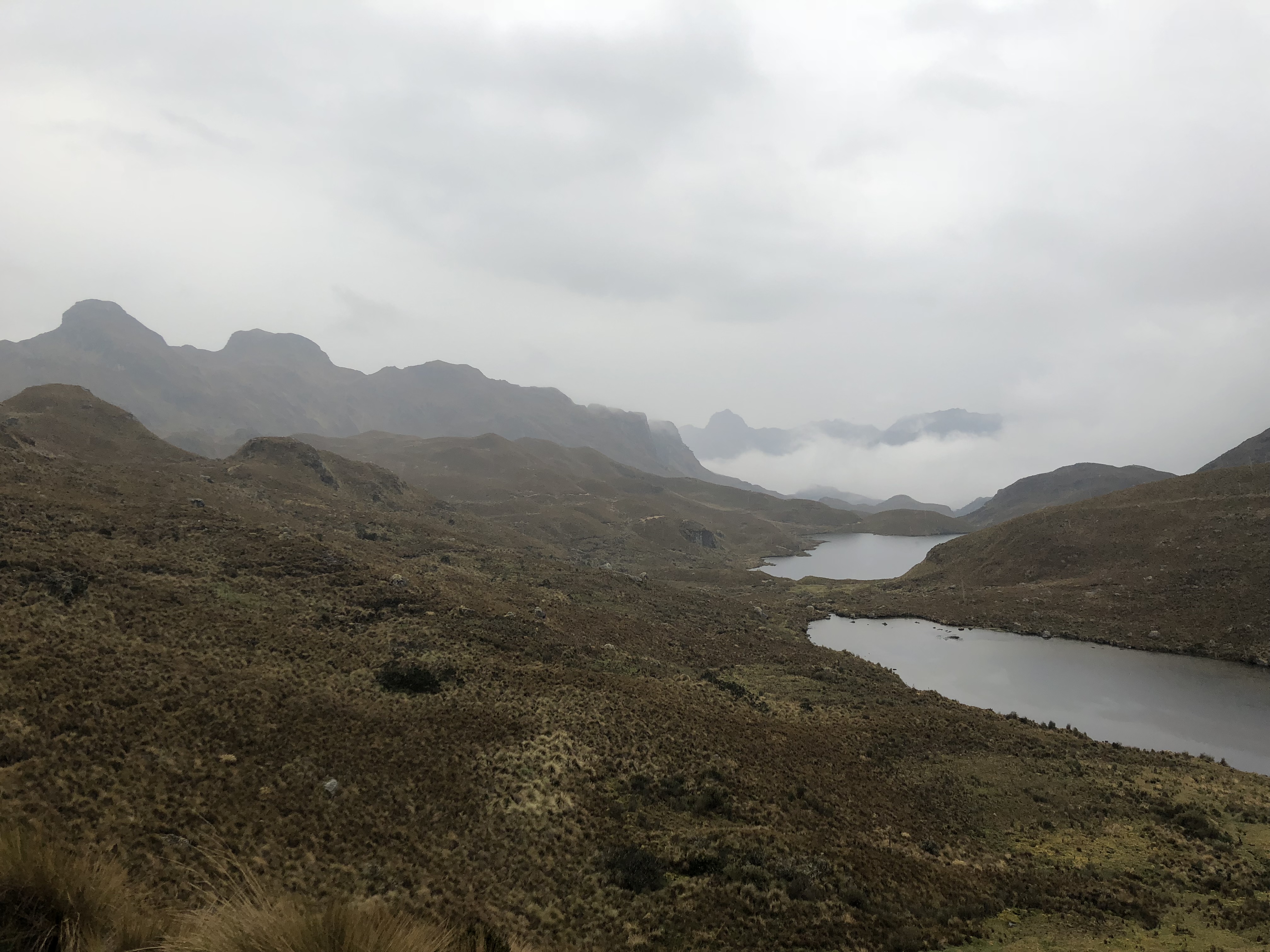
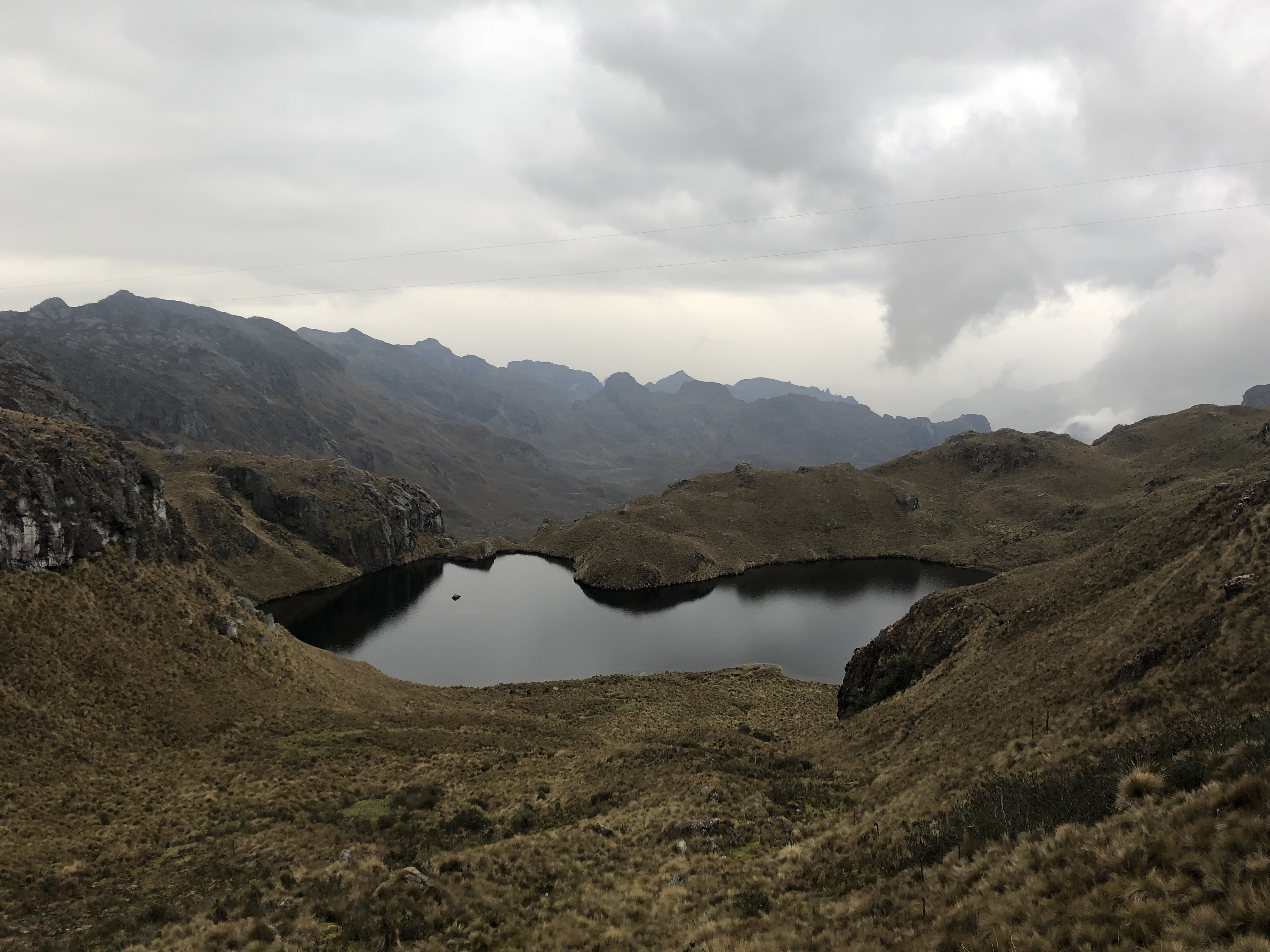

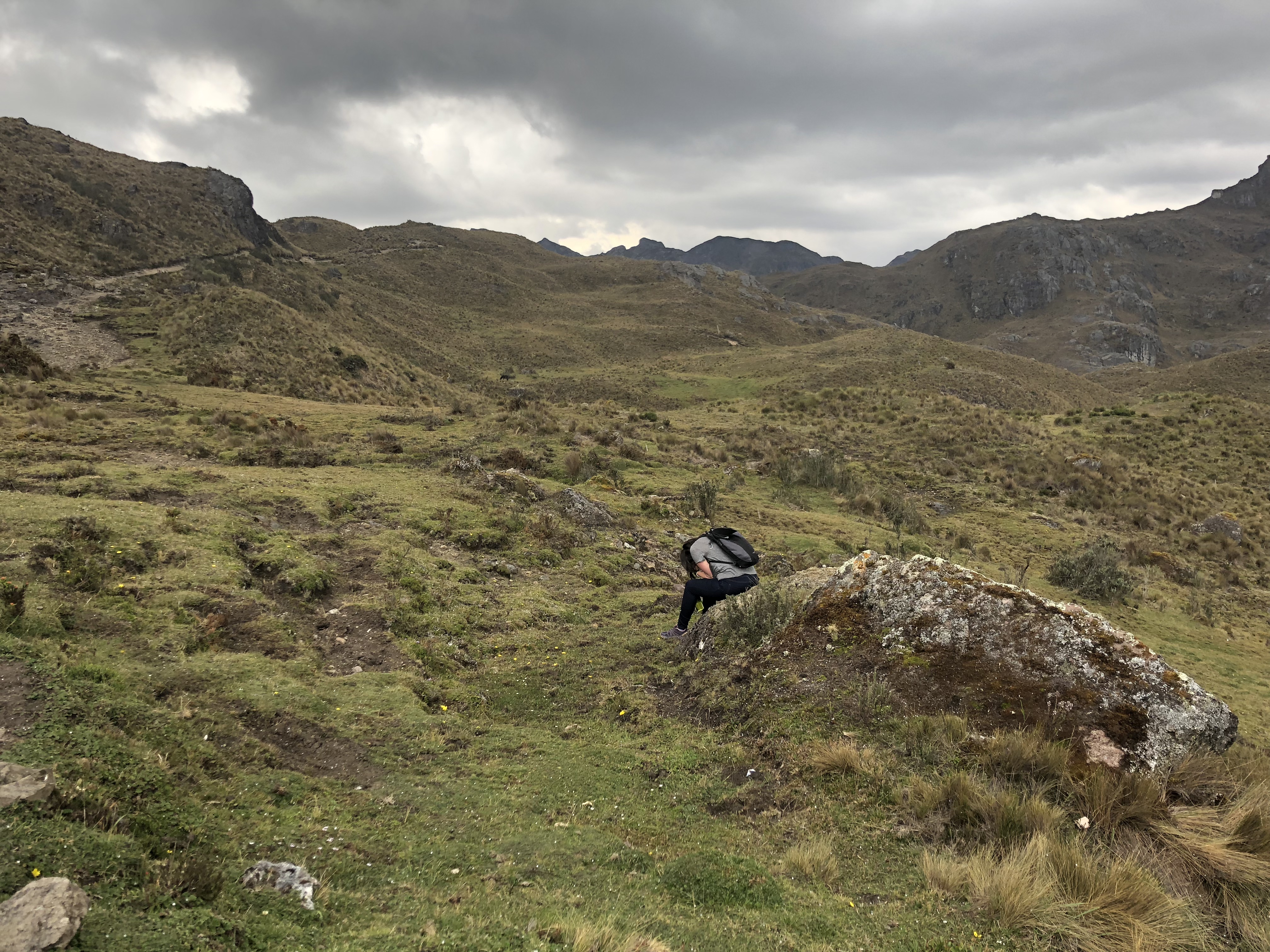
Towards my last week of Ecuador, I experienced an immense feeling of loneliness, something I hadn’t felt before in the almost three months that I have been in South America. The higher frequency of empty hostels I had been running into was one of the main reasons. I had been so used to always being surrounded by many travelers and the shift from that shook me up. I’m realizing now that a lower season of traveling has come and many have returned back home. As I continue my travels, I have to be aware that more moments of solitude may come up than before and I need to learn how to deal with it. My mom helped me put things into perspective a bit by reminding me that what I’m doing right now is an opportunity that many people would want to take and I need to remind myself of that when loneliness strikes and I feel sad. Talking to her helped me release these feelings out in the open, allowing them to become more real, and I was able to move forward by reminding myself why I am doing this in the first place. I’m choosing to travel, visit new places, meet new people and learn from all these interactions and experiences to promote my own personal growth. That is something beautiful I’m giving myself. When times get tough again, I need to bring this back into perspective. The experiences I’ve had thus far are something I will take with me and have for the rest of my life. There is no replacing that.
The last three months have helped me learn more about myself and the things that bring me more calm and peace. I’ve learned there are certain self-care practices that promote a more focused and rested mind within me, and these are practices I plan to build upon, strengthen, and bring back with me when I go back home. I’ve learned that I’m more focused, alert, and can think more clearly if I allow myself to wake up in the morning, pray, and not look at my phone for the first few hours of the day. I’ve also had time to realize even more that stretching before bedtime does promote a much more restful sleep. These past three months have also brought greater opportunities for me to read and it has felt so uplifting to get back to doing something I love, but for one reason or another hadn’t allowed myself the space to do when I was back home. I’ve read more books the past three months than I have the last three years. The book I’m currently reading is one on educational policy around the world and different teaching methods. This has led me to want to take the opportunity I have now while traveling to visit elementary schools and observe teachers in their practice. I want to take back new methods and strategies I can use when I get back to teaching next school year, and I’d like to do that in every country I visit moving forward. Traveling is opening me up to new perspectives, self realizations, strengthening my problem solving skills, and boosting my confidence in abilities that I may not have thought I possessed.
Finally, did you notice the website and blog page name change? Well, officially I’ll be heading through most of South America until March. Carnaval in Brazil will be one of my final stops. This idea had been lingering in my mind for a few weeks. Given that I’m already here, have the time, and budget still, I want to take this opportunity and continue on exploring different regions of South America. I just entered Peru a few days ago, and I’ll be heading to Bolivia, Chile, Argentina, Uruguay, maybe Paraguay, and finally Brazil. I won’t be going to the three northern countries Suriname, Guyana, or French Guiana. Nor will I be going to Venezuela for obvious reasons. Personally, it was difficult making this decision, given I’d be away from my family and friends for so long and I’d be missing holidays with my family for the first time. Nonetheless, their support is undeniable and I’m realizing more and more the immense amount of unconditional love they have for me (as if I still didn’t know it).
P.S. three things I’ve never really liked: chocolate, bread, and ice cream have taken a new special place in me. I’m learning to enjoy and seek them out. Shocking.
Your gift to support my writing is greatly appreciated! Thank you.
Choose an amount
Or enter a custom amount
Gracias.❤️
Donate

 Journeying Through South America
Leave a reply to aneltorres123 Cancel reply